
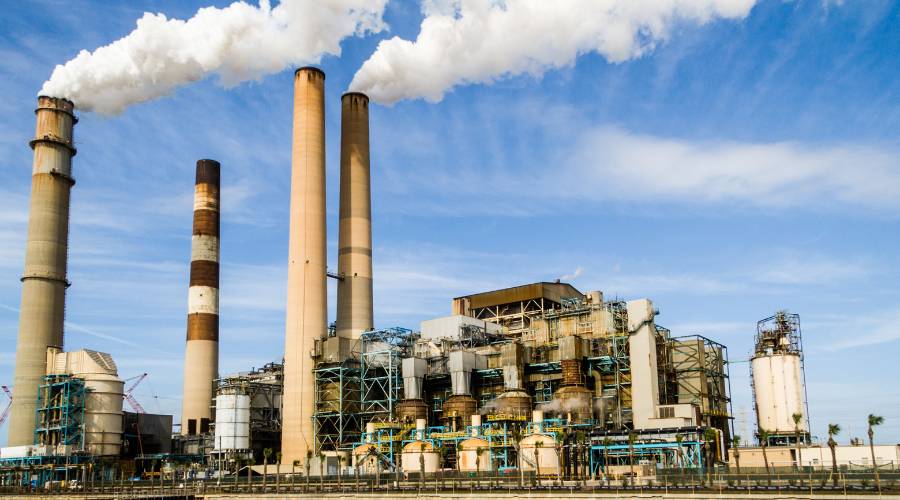
Water treatment for the energy industry
Electricity generation requires huge volumes of water, used at almost every stage of the process — from boiler feed systems to cooling condensers and bearings, as well as pollution scrubbers. Clean water is critical not only at the intake stage, but also at discharge. Environmental legislation continues to evolve, tightening restrictions and shifting demand toward zero liquid discharge (ZLD) solutions. As a result, innovation in water treatment for the power sector is steadily increasing.
According to trend analyses, global water demand is expected to grow by 55% due to population growth, while electricity demand will increase by 45 trillion kWh, or approximately 44% more than in 2018. This creates a dilemma: power plants depend heavily on water to generate clean energy. The solution lies in advanced technologies combined with engineering expertise, enabling smarter, cleaner ways to conserve, treat, and reuse water to meet the needs of an increasingly connected, electrified world.
Electricity generation is one of the largest industrial consumers of water, with most of it used for on-site cooling. In addition to cooling water, boilers and flue gas desulfurization (FGD) systems or wet scrubbing systems also contribute significantly to overall water consumption. Due to the large water volumes required, power plants are typically located near natural water sources, such as rivers, from which water can be withdrawn for operational use.
Untreated or insufficiently treated water can lead to erosion and damage to steam-generating equipment. Inadequately treated wastewater discharges may violate environmental regulations. Thanks to advanced technologies, new solutions are transforming how water is treated, recycled, and reused in the production of clean and renewable energy.
Water treatment systems used at power plants
Several types of water treatment systems are applied in the energy sector, including:
• Pretreatment: removes suspended solids, colloidal particles, organic matter, and minerals such as iron and manganese.
• Boiler feed water treatment: minimizes impurity levels that could damage or impair boiler operation.
• Condensate polishing: reduces suspended metals, particulates, and other contaminants that may cause corrosion and increase downtime.
• Cooling tower blowdown treatment: reduces corrosion and treats discharged cooling water.
• Flue gas desulfurization (FGD): removes sulfur oxides, heavy metals, and gypsum from wastewater generated during power production.
• Recycling and reuse: treated effluents are recycled and reused to ensure a continuous supply of clean water.
Water preparation in the energy sector
Water treatment systems are a critical component of any energy facility, as water quality directly affects the service life and performance of the entire system. Scale formation and corrosion processes are direct consequences of inadequate or low-quality water treatment.
Water sources for combined heat and power plants (CHP) and thermal power stations may include municipal water supplies (for facilities located within cities) or independent water sources, such as wells, boreholes, or surface water intakes. In the case of municipal water, achieving optimal water quality parameters often requires softening (single- or two-stage) and deaeration (chemical or physical oxygen removal).
In addition, it is often necessary to adjust pH levels and dose chemical reagents that inhibit corrosion in pipeline systems. When using water from wells or boreholes, treatment systems must include pretreatment stages, typically involving the dosing of strong oxidizing agents.
Key aspects of water treatment for thermal power plants
Today, membrane filtration systems based on nanofiltration and reverse osmosis technologies are widely used in water treatment for thermal power plants. These solutions significantly reduce operating costs and minimize environmental impact.
A key feature of water treatment for cooling systems at power plants is the need to prevent fouling of heat exchange surfaces. This is achieved through continuous or periodic dosing of chemical reagents into the treated water. The type, dosage, and dosing interval are determined based on the operational requirements of a specific system.
A relatively new but rapidly developing area in the energy sector is water treatment for gas turbine combined heat and power plants. The importance of producing water of the required quality continues to grow, making advanced water treatment solutions increasingly essential for modern energy facilities.
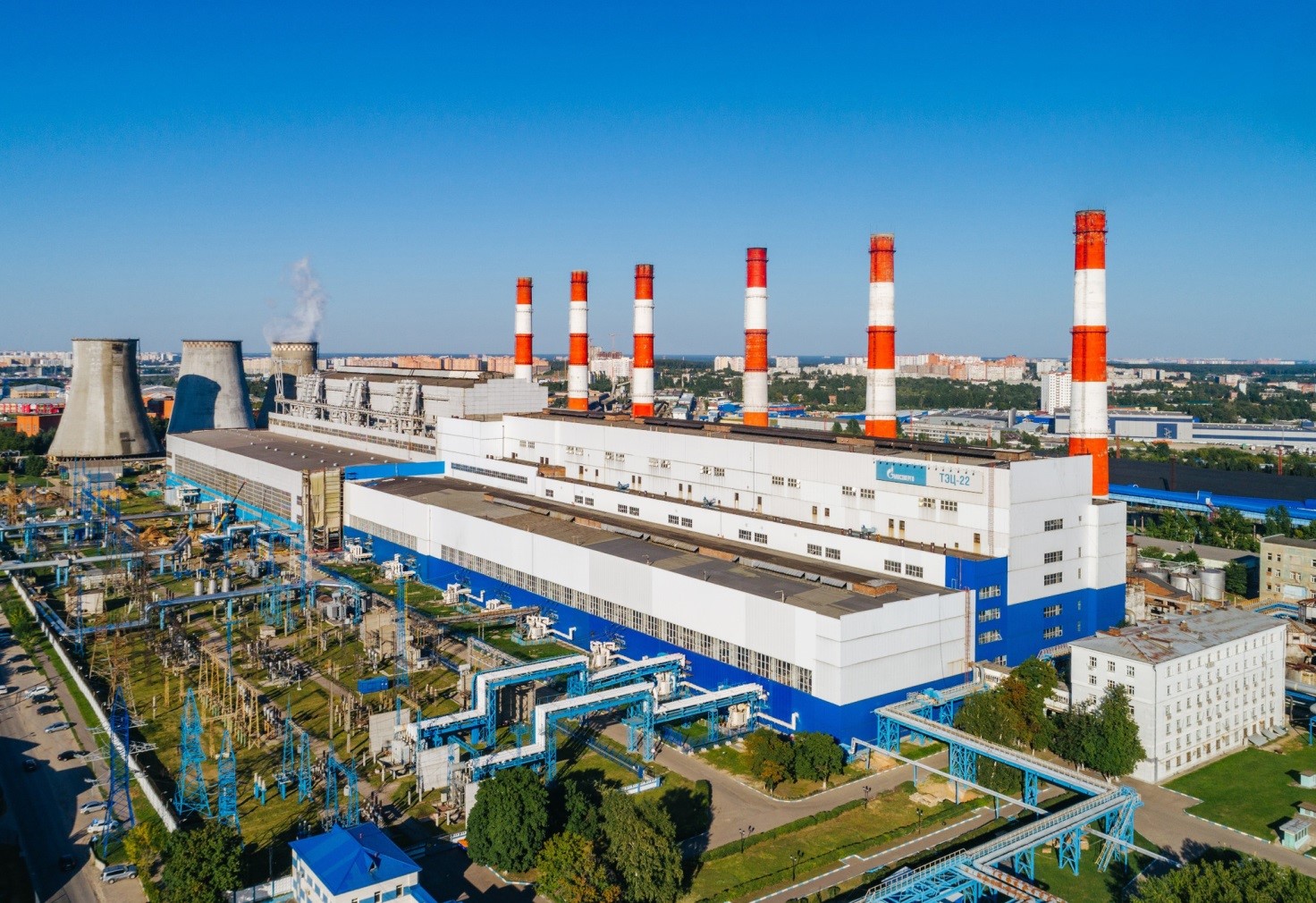
CHP plants generate thermal and electrical energy, which is supplied to residential buildings and industrial facilities. The operating principle of such plants is based on heating water by burning certain types of fuel. When heated, water is converted into steam, which drives turbines that generate electricity. After that, hot water is supplied to district heating systems of residential buildings and industrial enterprises.
The main problem in the operation of CHP equipment is solid deposits formed during water heating:
Scale
Scale is deposited on the internal mechanical surfaces of boilers, heat exchangers, and pipelines, reducing operating efficiency, shortening equipment service life, and increasing energy consumption for heat and electricity generation. In many cases, this leads to breakdowns or complete failure of expensive equipment that can no longer be restored.
Corrosion
When untreated water is used at CHP plants, it contains large amounts of substances that promote corrosion formation:
· oxygen;
· acids;
· alkalis;
· free carbon dioxide;
· chlorides.
All of these are active stimulators of corrosion processes. Corrosion reduces operating efficiency and shortens the service life of thermal power equipment. This leads to decreased production of electrical and thermal energy and often becomes the cause of accidents at CHP plants.
Bacteria
Bacteria that enter thermal power equipment together with untreated water or during maintenance work also contribute to corrosion. Pitting corrosion forms on metal surfaces, rust clogs boilers, heat exchangers, pipelines, and heating mains. This results in reduced equipment efficiency, increased energy consumption, and may lead to emergency situations and shutdowns of CHP operations.
Ways to solve these problems through water treatment for CHP plants
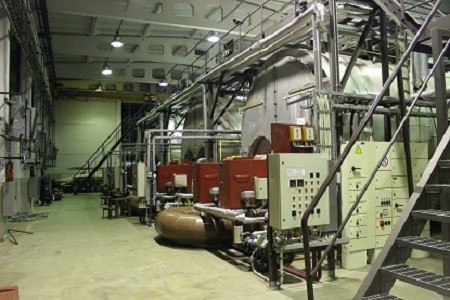
The only effective way to solve all the above-mentioned problems at CHP plants is the installation of water treatment systems and filters for high-quality water purification. For this purpose, several key water treatment methods are used:
- Preliminary mechanical treatment
As a rule, to remove large mechanical impurities, rust, and sand, disc, mesh, or reagent-free (column-type) filters, as well as ultrafiltration units for deep mechanical purification, are installed at the initial stage of the system.
- Iron removal
Iron removal allows both oxidized and dissolved iron to be eliminated from water. For this purpose, filters with special filter media are installed, which remove iron from the water supplied to hot-water boilers.
- Sorption filters
For sorption treatment of water at CHP plants, filters with special media are used, most commonly activated carbon. These filters remove chlorine-containing compounds, heavy metals, and eliminate taste, color, and odor from the source water.
- Water softening
Water softening involves the removal of hardness salts — calcium and magnesium compounds that precipitate when water is heated and form scale on metal surfaces of equipment. To remove hardness salts, ion-exchange resin filters are used. In these filters, hardness salts are converted into sodium ions, after which clean and safe water is supplied to thermal equipment.
- Reverse osmosis water treatment
Reverse osmosis technology is the most effective method for treating water with a high concentration of dissolved salts. Under high pressure, source water is forced through fine-pore membranes that allow only water molecules to pass through while retaining up to 99.9% of organic substances, contaminants, and dissolved salts.
How to choose an industrial reverse osmosis system?
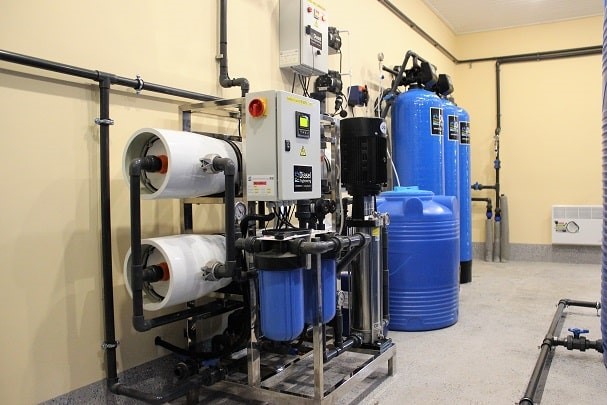
There are several recommendations that help select a high-performance and efficient industrial reverse osmosis system for water treatment at CHP plants. Key selection criteria:
- Dimensions. A reverse osmosis system with the same capacity but a more compact design allows saving valuable floor space.
- Inlet pressure supplied from the water supply system or another water source. This parameter must be no less than 3 bar. If the pressure is lower, it is necessary to choose a system equipped with a booster pump to generate the pressure required for efficient reverse osmosis operation.
- Expected water consumption. It is important to calculate anticipated water demand in advance to ensure uninterrupted and efficient equipment operation. This makes it possible to determine the optimal capacity of the industrial reverse osmosis system.
Advantages of reverse osmosis technology
Industrial reverse osmosis systems are capable of effectively removing 97–99.9% of impurities from water supplied from open sources, wells, or municipal water networks. Such systems also offer a number of additional advantages:
- Wide range of models with different functionality and capacities. This allows selection of an optimal system in terms of size, configuration, and performance for any technological process.
- High-quality water purification without the use of harmful or expensive chemical reagents or heating, which significantly reduces energy and financial costs.
- Maximum purification efficiency for removing various chemical substances and organic contaminants, including bacteria and viruses.
- Capability to desalinate large volumes of seawater for use at CHP plants.
- Reliability, maintainability, and affordable service costs, limited mainly to replacement of filter elements.
- Compact design of industrial reverse osmosis units, which helps save space and significantly reduces installation costs as well as the overall cost of organizing a water treatment system at CHP plants.
- Low operating costs per 1 m³ of treated water compared to other water treatment technologies.
Ready-made and custom water treatment solutions for CHP plants from ZIKO
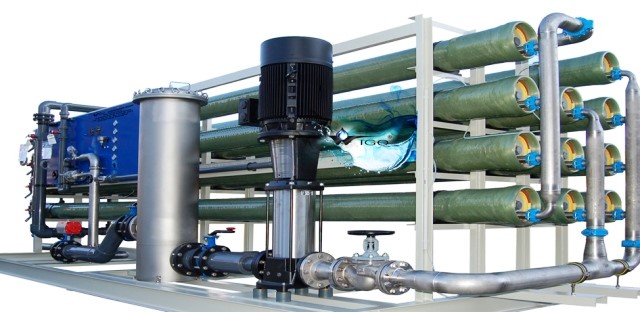
The company ZIKO is one of the recognized leaders of the Ukrainian water treatment and purification market. We offer cost-effective and efficient standard or customized solutions for water treatment at industrial enterprises, CHP plants, and in the housing and utilities sector.
By contacting us, you will receive a comprehensive range of high-quality services:
· We carry out water sampling and analysis to determine the presence and concentration of contaminants in our own laboratory.
· If required, our specialists will help formulate the technical assignment.
· Our engineers will design a water treatment solution tailored to the technological requirements of any enterprise.
· Our specialists will deliver the required equipment to the customer’s site, install, configure, and commission a turnkey reverse osmosis system.
· We will take full responsibility for repairs, maintenance, and replacement of filter elements throughout the entire service life of the industrial reverse osmosis system.
A quality warranty is provided for all equipment, both standard and custom-designed industrial water treatment solutions developed by our specialists, as well as for installation and maintenance services.
Would you like to implement efficient and cost-effective water treatment at a CHP plant, but are unsure about system configuration or how to correctly calculate equipment capacity?
Write to us or call us. Our engineers will promptly perform all necessary calculations, select the most efficient equipment, and help you organize a reliable and high-quality water treatment system for your enterprise, fully aligned with your specific needs.