
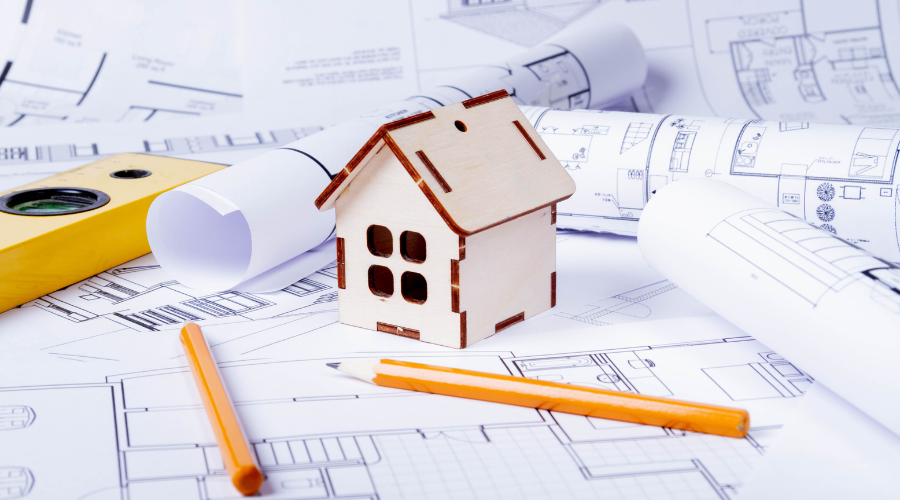
The autonomous sewage system offered by ZIKO is a turnkey solution for fast and efficient wastewater treatment in locations without access to a centralized sewer network. This cost-effective and compact system provides high-quality biological treatment of domestic wastewater. The installation is quick and simple, and ongoing maintenance does not require significant financial investment.
What Is an Autonomous Sewage System
A modern autonomous sewage system for a country house is a set of equipment designed for the effective treatment and disposal of domestic and household wastewater.
Most autonomous sewage systems are designed and engineered using one of the following three treatment technologies:
Mechanical treatment — insoluble suspended solids are retained, however the water is not purified from dissolved organic compounds.
Chemical treatment — primarily used in industrial applications, as complex contaminated wastewater is rarely encountered in residential use.
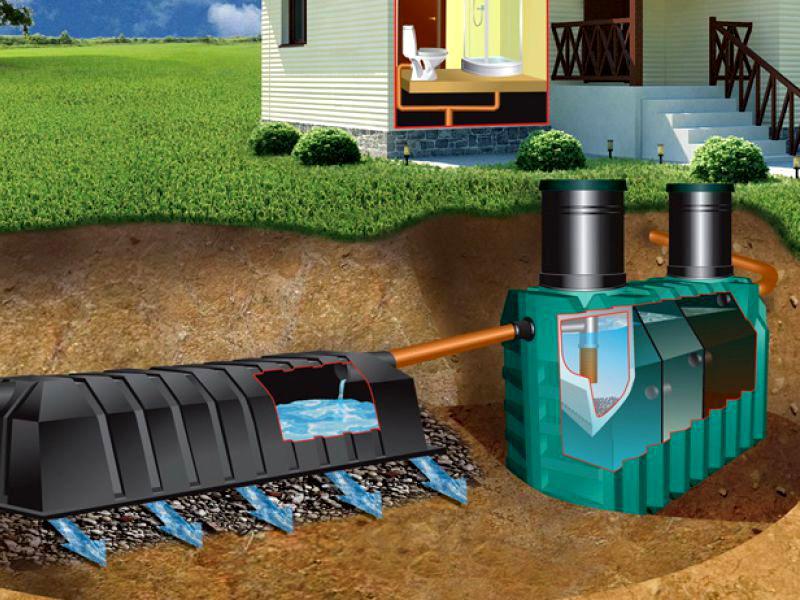
Biological treatment — the most effective type of autonomous sewage system, enabling fast, efficient, and environmentally safe treatment of domestic wastewater. The biological method involves wastewater treatment in filters using anaerobic and aerobic bacteria that consume organic contaminants.
How an Autonomous Sewage System Works
The autonomous sewage system offered by ZIKO is a ready-made solution for fast and efficient wastewater treatment in the absence of a centralized sewer network. This affordable and compact system provides high-quality biological treatment of domestic wastewater. The installation is quick and easy to install and does not require significant financial costs for maintenance.
What Is an Autonomous Sewage System
A modern autonomous sewage system for a country house is a set of equipment designed for the effective treatment and disposal of domestic and household wastewater.
Most commonly, three treatment technologies are used in the design and development of autonomous sewage systems:
Mechanical treatment — insoluble suspended solids are retained, but the water is not purified from dissolved organic compounds.
Chemical treatment — used mainly in industrial applications, as complex wastewater contaminants are rarely encountered in household conditions.
Biological treatment — the most effective type of autonomous sewage system, allowing fast, efficient, and safe treatment of domestic wastewater. The biological method involves wastewater treatment in filters using anaerobic and aerobic bacteria that consume organic contaminants.
How an Autonomous Sewage System Works
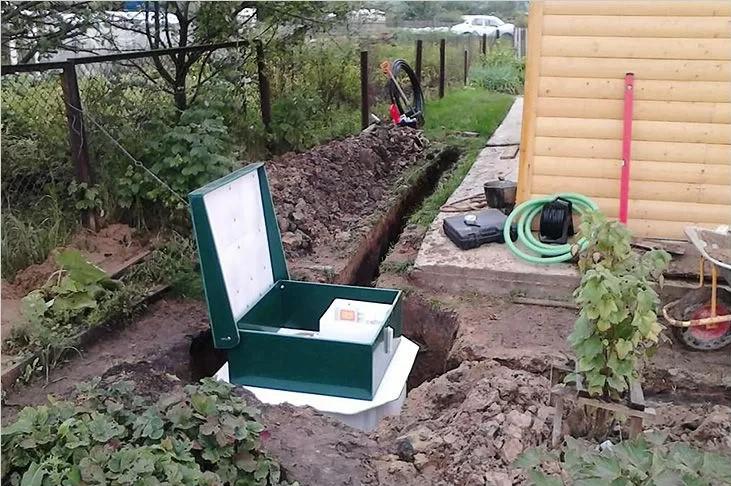
There are several factors that affect the selection of a location for installing an autonomous sewage system near a private house:
- the type and capacity of the system;
- the need to connect the equipment to the electrical power supply;
- site topography and soil composition;
- seasonality of operation;
- the number of serviced facilities (house, bathhouse, summer kitchen, etc.);
- the presence of surface groundwater.
When choosing a location for installing an autonomous sewage system for a country house, all of these factors must be taken into account. It is also important that the distance from the treatment system to a drinking water source is at least 30 m, and the recommended distance from a residential building is 5 m.
When installing a biological treatment plant, compliance with these rules is not mandatory. The station housing is completely sealed, therefore there is no risk of leakage, seepage, or mixing of contaminated wastewater with clean drinking water.
How Often an Autonomous Sewage System Requires Maintenance
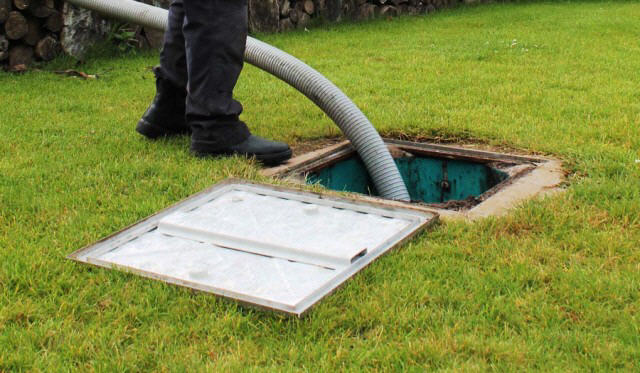
Maintenance of an autonomous sewage system for a country house consists of sludge removal and, if necessary, system preservation for the winter period followed by recommissioning in spring.
During the treatment of domestic wastewater, household waste accumulates as sludge at the bottom of the system’s settling tank. This sludge is removed 1–2 times per year, and the pipeline network must be flushed at the same time. If contaminants are not removed, they gradually compact and turn into a clay-like substance. This leads to inefficient system operation or equipment failure.
If no one lives in the house or country cottage during the winter period, the autonomous sewage system must be preserved. This involves removing the sludge and filling the station with clean water. It is also recommended to place 10–15 empty plastic bottles with tightly closed caps inside the system.
What is the purpose of this? At temperatures below 0 °C, water freezes and its molecular structure changes. When temperatures rise in spring and the water thaws, reverse pressure is created, which can damage the plastic housing of the treatment station. Empty bottles absorb this reverse pressure, eliminating the risk of damage to the system casing.
How to Properly Choose an Autonomous Sewage System
In addition to price, treatment technology, configuration, and dimensions, the following factors should be considered when selecting an autonomous sewage system for a country house:
- the depth of sewer pipeline installation, which affects both the cost and installation depth of the system;
- soil composition (sandy loam, sand, chernozem, or clay) and groundwater level — these factors influence installation cost and the method of treated water discharge;
- the number of permanent residents or expected guests, which allows estimation of potential wastewater volume and selection of optimal treatment system capacity;
- the number of plumbing fixtures from which domestic wastewater will be discharged, enabling determination of the maximum peak discharge volume.
More detailed information regarding the purpose, technical specifications, cost of domestic wastewater treatment equipment, and installation pricing for an autonomous sewage system for a country house can be obtained by calling the phone number listed in the Contacts section.