
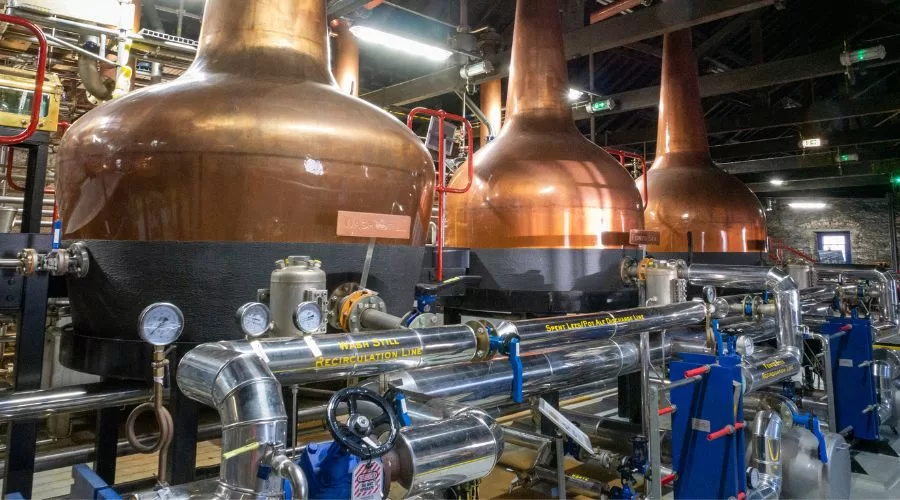
The company ZIKO develops and implements solutions for effective water treatment at distilleries using modern industrial water filtration systems. Our equipment enables efficient removal of contaminants, reduction of water hardness, and lowering of total mineralization of the incoming water.
During the treatment process, organic compounds are removed, while color and turbidity are eliminated. Industrial water treatment in alcohol production significantly improves the quality of the final product and has a positive impact on the subsequent quality of spirits and alcoholic beverages. Transparency, taste, and aroma are enhanced, and the shelf life of beverages is extended without loss of organoleptic properties.
Water treatment in alcohol production is a guarantee of excellent product quality.
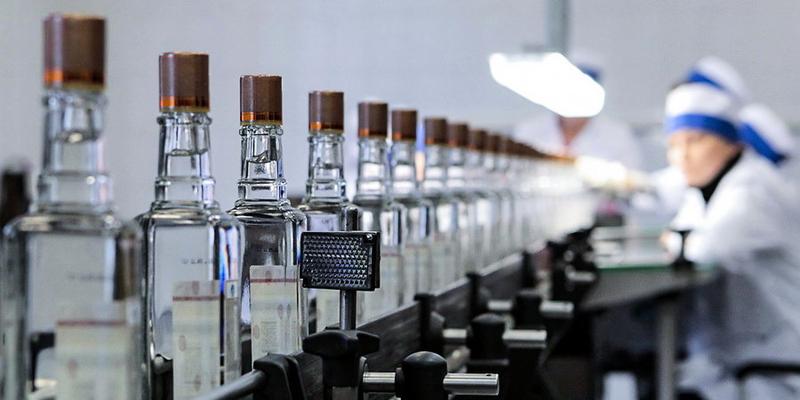
Alcohol is a raw material for the production of alcoholic beverages. The quality of the final product — its appearance and organoleptic properties — directly depends on its characteristics. Therefore, water treatment at a distillery is a critical stage in the further production of spirits and liqueurs, during which the following objectives are achieved:
Reduction of water hardness
High-quality water treatment in alcohol production makes it possible to reduce hardness — that is, to lower the concentration of magnesium and calcium cations in the source water to optimal values of 0.2–1.0 mg-eq/L. This prevents the formation of sediment in the final product after alcohol is blended with water.
After proper water treatment, no sediment forms in bottles containing fruit or berry tinctures and liqueurs. At low concentrations, magnesium and calcium ions do not react with tannins and pectins present in fruits and berries, and therefore insoluble compounds are not formed.
Reduction of total mineralization
If water treatment is not carried out during alcohol production, mineral elements present in water significantly impair the appearance and reduce the organoleptic properties of the final product:
- sodium chloride gives beverages a salty taste;
- high concentrations of iron and copper cause a metallic aftertaste;
- sodium and magnesium sulfates impart bitterness;
- the presence of calcium sulfate makes alcoholic beverages harsh and astringent.
Elimination of turbidity and color
Industrial water treatment at distilleries allows the concentration of humic substances — which give liquids a yellow-brown coloration — to be reduced almost to zero. As a result, alcoholic products acquire a clear and attractive appearance.
During water treatment in alcohol production, suspended particles and colloidal elements are removed. This improves the visual quality of alcoholic beverages and eliminates opalescence — cloudiness that can occur during long-term storage.
Water analysis is a key stage of water treatment in alcohol production
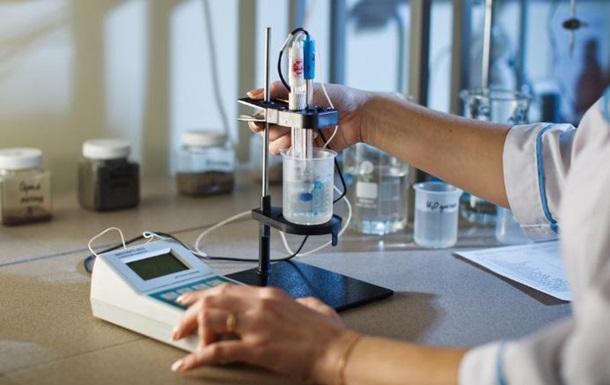
For high-quality water treatment in alcohol production, specialists of ZIKO carry out a detailed water analysis based on 22 key parameters in their own laboratory. Based on the results of this analysis, as well as the customer’s requirements for the quality of the final water, the most effective water treatment solution is designed or selected. After that, the system is engineered, supplied, installed, and commissioned. ZIKO provides a quality warranty for all equipment and services.
High-quality water treatment at a distillery is impossible without a detailed analysis of the source water. As a result of laboratory tests performed in our own laboratory, ZIKO specialists determine the presence and concentration of:
- calcium and magnesium ions, which affect water hardness — the key raw material for alcohol and spirit production;
- other mineral elements that negatively affect the taste and aroma of beverages;
- iron and other metals;
- ammonium, nitrites, nitrates, and hydrogen sulfide;
- humic substances, which cause water color and turbidity;
- other contaminants that influence the quality of the final product.
Based on the analysis results, the most efficient and productive water treatment equipment for alcohol production is selected. As a result, the customer receives exceptionally clean water — an ideal raw material for producing high-quality alcoholic beverages.
Water treatment at distilleries using industrial flow-through iron removal and water softening systemsи проточними системами знезалізнення і пом’якшення
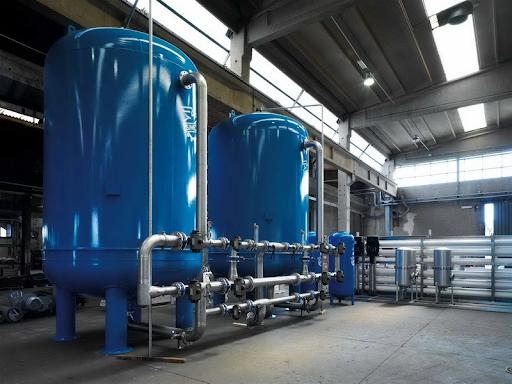
Water Treatment at Alcohol (Ethanol) Production Facilities
The company ZIKO offers high-performance комплекс water treatment systems for iron removal and softening using time-proven filter media such as Ecomix, Dowex, Birm, and Filter-AG, which effectively remove:
• calcium and magnesium (water hardness);
• ammonium / ammonia;
• manganese;
• iron;
• hydrogen sulfide and other contaminants.
These systems are characterized by a relatively low cost, high capacity, and efficient operation.
Their main drawback is the use of a saline solution for system regeneration, which must subsequently be discharged into the sewer system. Continuous salt consumption significantly increases the cost of one liter of treated water, which directly affects the production cost of the final product.
Water Treatment at Alcohol Production Using Reverse Osmosis
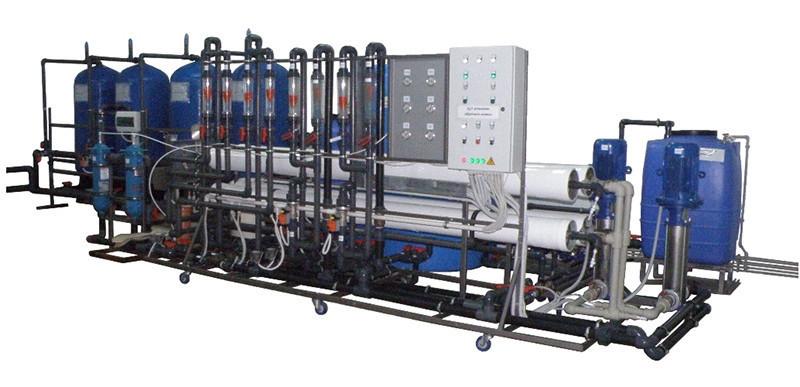
Reverse Osmosis Technology
Reverse osmosis technology involves the use of filters with special membranes. These membranes purify the feed water at the molecular level by allowing water molecules to pass through while retaining dissolved fine impurities.
Advantages of water treatment for alcohol production using reverse osmosis:
• removal of arsenic, heavy metals, fertilizers, Na, Ca, Cl, Fe ions, pesticides, and other harmful contaminants — the feed water is purified to an almost ideal condition;
• compact system dimensions and the possibility of vertical membrane installation;
• high reliability and ease of maintenance;
• minimal energy consumption, which allows for significant savings on energy costs;
• environmental benefits, as no saline solution is required for regeneration and there is no discharge of brine into the sewage system;
• low operating costs compared to conventional water treatment systems (the system fully pays for itself within a few years due to the absence of salt consumption for regeneration).
Depending on production volumes and the requirements of technological processes, reverse osmosis systems are equipped with the required number of membrane elements. Their capacity can reach 50 m³/h or more.
An additional advantage of reverse osmosis systems is the ability to achieve extremely low levels of water contamination, ensuring a purity level sufficient for use in pharmaceutical applications, steam turbines, and, of course, for the production of high-quality alcohol, especially for export markets.
Would you like to receive more detailed information about water treatment methods for alcohol production and the equipment used?
Phone numbers and email addresses are available in the “Contacts” section. Write to us or call our managers — they will be happy to advise you on any questions and help you select the most efficient, high-performance, compact, and cost-effective water treatment equipment.