
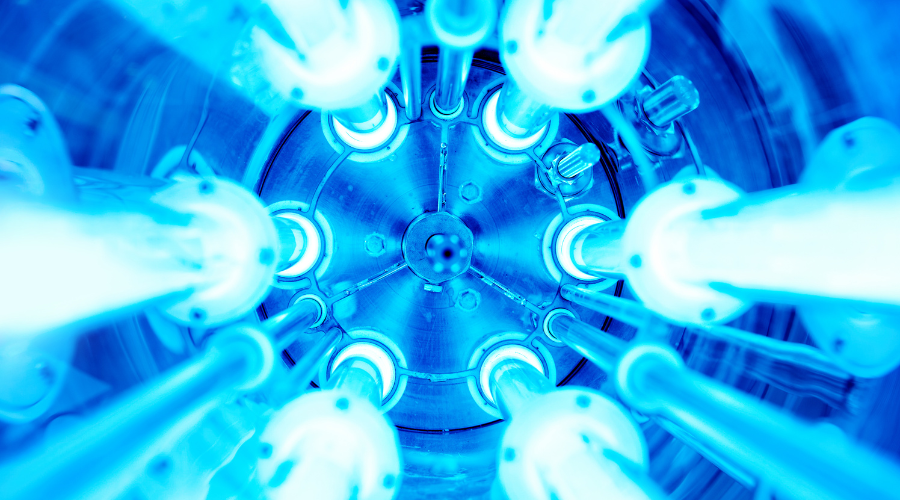
The company ZIKO offers ready-made solutions for disinfection of wastewater from industrial enterprises and municipal sewerage systems. Treatment units and systems are designed with consideration of the specific operational conditions of plants, factories, workshops, and the composition of wastewater. During the design of wastewater disinfection systems, a detailed analysis of the effluent is carried out, based on which appropriate treatment methods are selected.
Purpose of Wastewater Disinfection
In addition to the removal of various contaminants, wastewater disinfection methods are applied to eliminate pathogenic microflora from the effluent. These microorganisms are the cause of a wide range of diseases, including:
- gastrointestinal diseases: salmonellosis, paratyphoid fever A and B, cholera, dysentery, and typhoid fever;
- viral diseases: hepatitis A and B, various types of poliomyelitis;
- infectious diseases: tuberculosis, adenoviral and enteroviral infections;
- parasitic and bacterial diseases: campylobacteriosis, amoebiasis, helminthiasis, brucellosis, and many others.
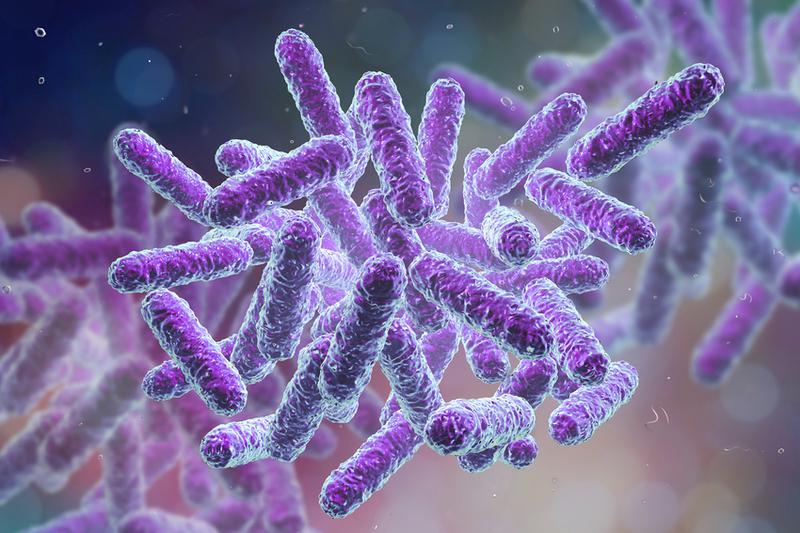
Various wastewater disinfection methods make it possible to eliminate the risk of negative impact of untreated effluent on the environment and human health.
Methods of Wastewater Disinfection
There are three main methods of wastewater disinfection:
- Chemical disinfection using hydrogen peroxide, ozone, chlorine, and other chemical compounds.
- Water treatment within natural or artificial biocenoses.
- Physical disinfection of wastewater using ultraviolet, electric, or electromagnetic radiation, or by exposure to elevated temperatures.
Chemical Wastewater Treatment
There are two approaches to chemical wastewater treatment:
- Neutralization — reduction or adjustment of pH to a range of 6.5–8.5 using various methods.
- Oxidation — a chemical reaction in which toxic substances present in the water are converted into less aggressive compounds, which are subsequently removed from the medium. During oxidation, chlorine and hydrogen peroxide are commonly used. Other oxidizing agents may also be applied, including calcium or sodium hypochlorite, pyrolusite, ozone, or oxygen.
Another widely used chemical method is ozonation of wastewater from industrial enterprises and sewerage systems. Ozone is introduced into the treated medium, where it decomposes organic compounds. Through this process, wastewater is purified from a range of contaminants, including:
- aromatic hydrocarbons;
- dyes;
- oxidized cyanides;
- petroleum products;
- phenol and surfactants.
During ozonation, wastewater is disinfected, decolorized, and unpleasant taste and odors are eliminated.
Physical Methods of Wastewater Disinfection
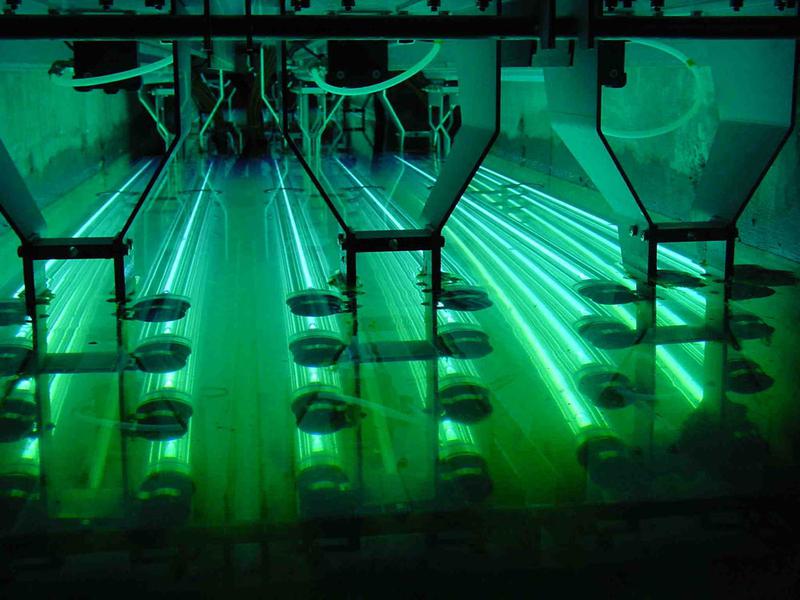
The most effective and widely used physical method of wastewater treatment is ultraviolet (UV) disinfection. This process is carried out by exposing the effluent to ultraviolet radiation with wavelengths ranging from 200 to 280 nm.
Ultraviolet wastewater disinfection offers several advantages:
- it is a reagent-free, environmentally safe, and ecologically clean water treatment method;
- ultraviolet radiation rapidly destroys microorganisms hazardous to human health;
- no harmful chemical reagents are used during UV disinfection, which significantly reduces overall treatment costs;
- high energy efficiency, resulting in lower power consumption;
- relatively low equipment cost, as well as simple operation and low maintenance expenses.
ZIKO specialists perform a thorough analysis of the effluent, after which appropriate solutions and disinfection methods are selected for industrial wastewater and municipal sewerage systems. The company provides a full range of services, including system design, development of integrated and standalone water treatment solutions, installation, and warranty and post-warranty maintenance.
For detailed information on service conditions, you may call the phone number provided in the “Contacts” section or send an email to the company. Our specialists will free of charge assist in selecting wastewater disinfection units optimized for price and technical characteristics and will provide information on equipment cost and installation timelines.