
Біологічна доочистка промислових стічних вод
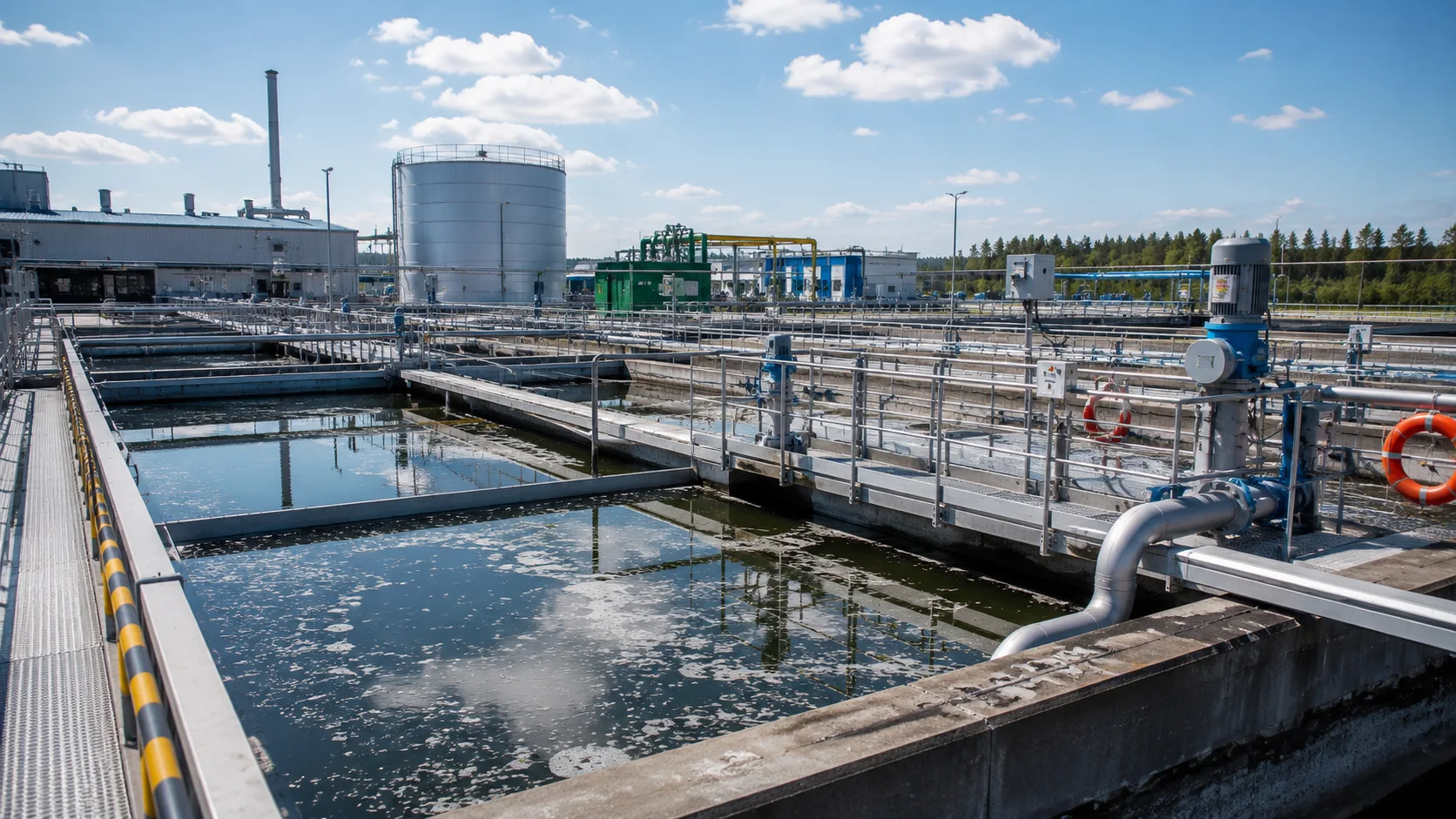
Wastewater treatment · Industrial polishing
Biological polishing of industrial wastewater
The physico-chemical stage removes suspended solids and reagent contaminants, but dissolved organics and nitrogen remain above the limit. A biological polishing stage on PlanetDISK® rotating biodiscs integrates into the existing line — up to 700 m³ per day, 80% less energy. For larger volumes — large rotating biodiscs MITA (Biorulli®); the treated water meets the standards for discharge to the environment.
Who needs biological polishing
Food production
Dairies, meat processing, beverages, confectionery. High organic load: after reagent treatment, organics remain above the limit — the biological stage removes them.
Plants with physico-chemical treatment
Coagulation, flotation and reagent treatment remove suspended solids, phosphates and metals, but not dissolved organics. Biological polishing closes exactly this gap to the standard.
Large wastewater volumes
Production with high water discharge that outgrows a single plant. Large rotating biodiscs MITA (Biorulli®) provide biological polishing at a larger scale.
Sites under discharge standards
Discharge requirements are tightening, eco-charges and the risk of fines are rising. The polishing stage brings the effluent to a quality permitted for discharge to the environment.
Physico-chemistry removes suspended solids, but not dissolved organics
Only the physico-chemical stage
- Organics remain. Coagulation/flotation/reagent treatment remove suspended solids, phosphates and metals — but dissolved organics (BOD/COD) and nitrogen stay above the limit.
- The effluent does not meet standards. Without biological polishing, such effluent cannot be discharged to the environment.
- Aeration from scratch is expensive. A classic bio-plant needs space, powerful blowers and high energy use.
- A major reconstruction instead of adding a stage — unnecessary costs for existing treatment plants.
Biological polishing stage
- PlanetTEK / PlanetDISK® (RBC) integrates into the existing line as a biological stage — with no construction from scratch.
- Rotating biodiscs break down dissolved organics without intensive aeration — 80% less energy, < 50 dB, no odour.
- For larger volumes — large biodiscs MITA (Biorulli®): the same biology on rotating discs, a larger scale.
A polishing stage for your effluent and standards
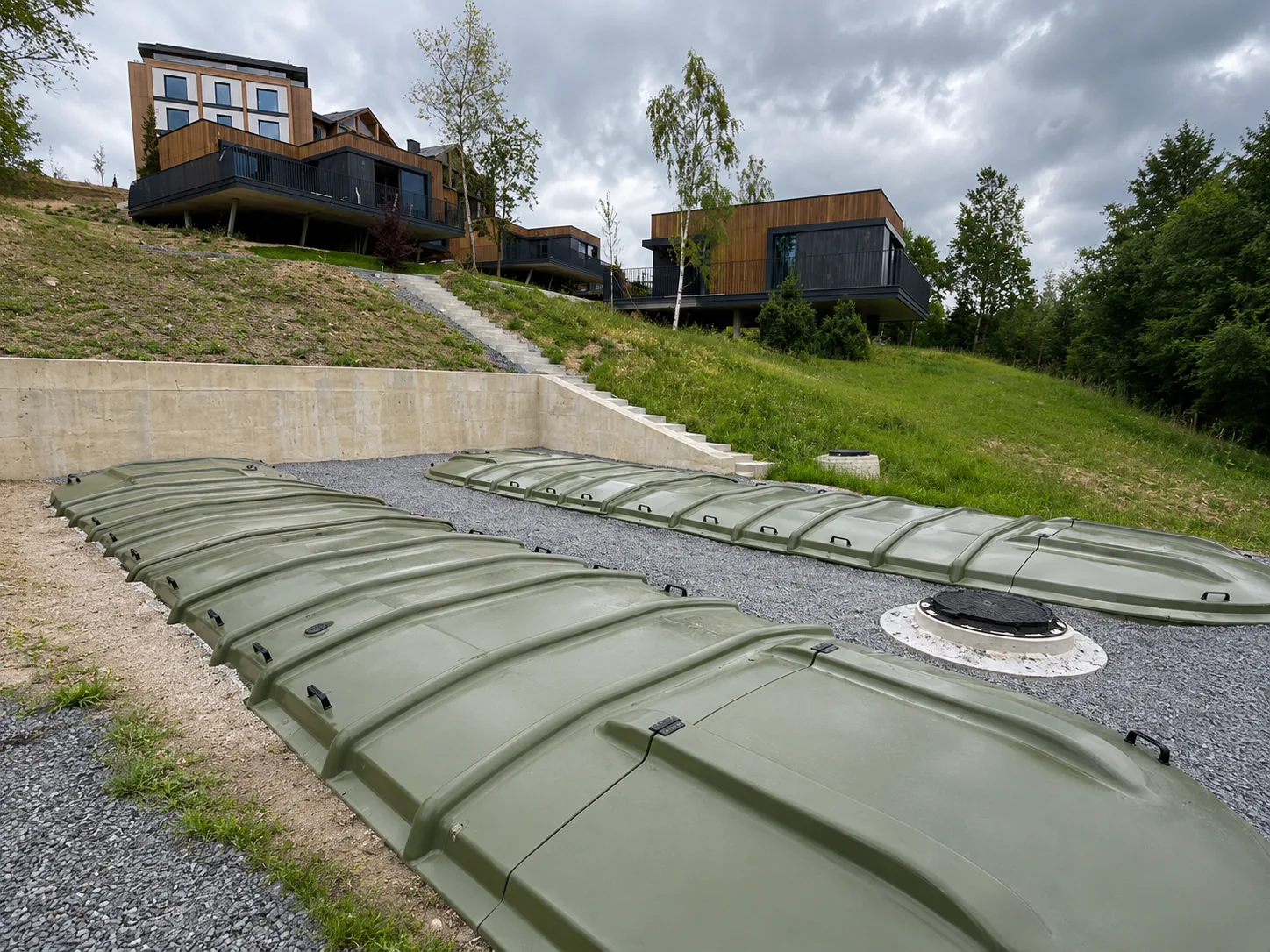
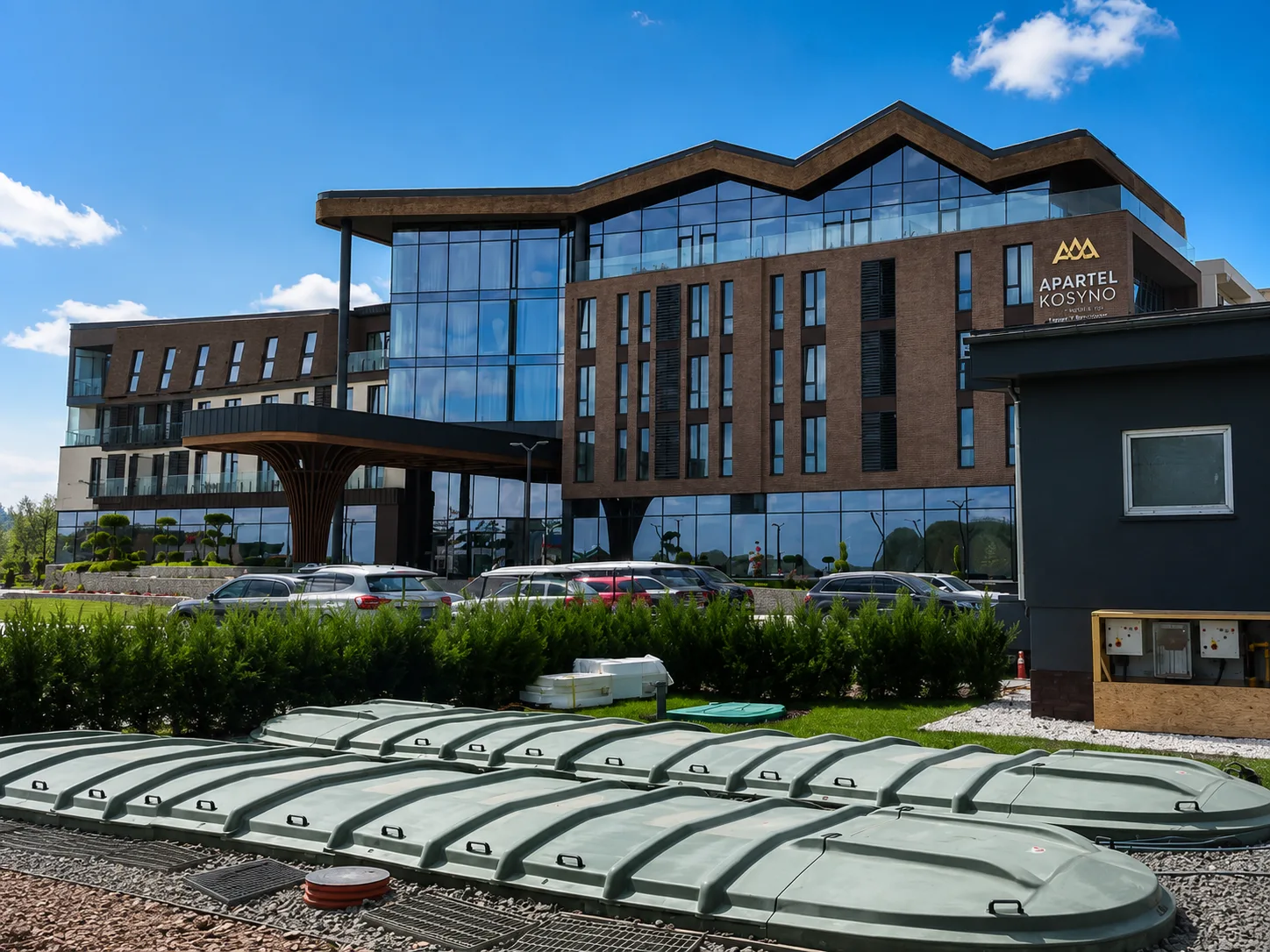
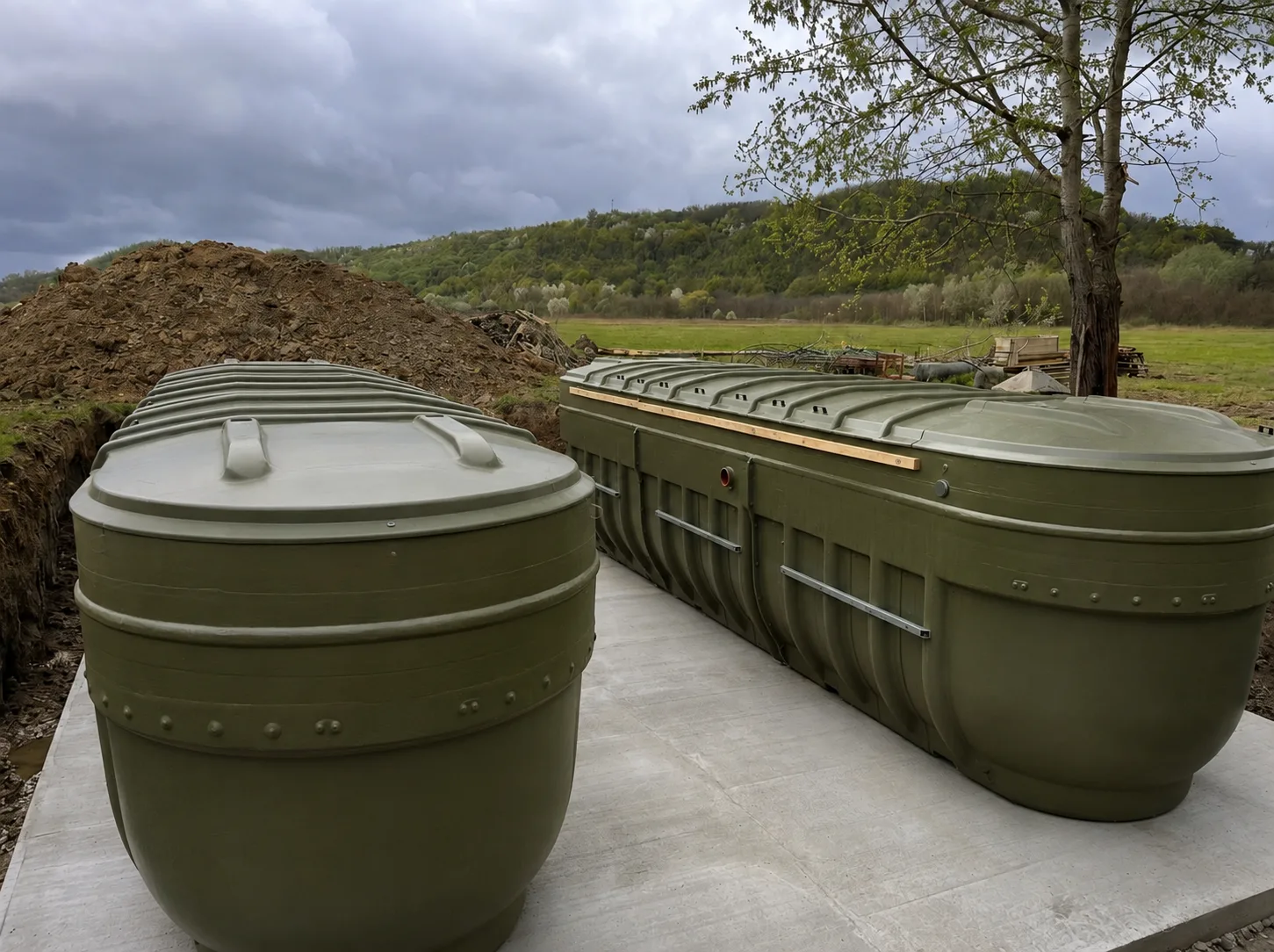
At the heart of polishing are the PlanetDISK® rotating biodiscs: a biofilm on the rotating discs breaks down dissolved organics without air injection. The stage is assembled for the actual effluent composition, integrates into existing facilities and scales up to 700 m³ per day. For larger volumes, large rotating biodiscs MITA (Biorulli®) are used. The treated water meets the standards for discharge to the environment.
| Task | Solution | Capacity |
|---|---|---|
| Biological polishing after physico-chemistry | PlanetTEK — PlanetDISK® RBC core | up to 700 m³/day |
| Larger volume of effluent | Large rotating biodiscs MITA (Biorulli®) | larger scale |
| Upgrade of existing treatment plants | PlanetTEK as a bio-stage in the existing line | per the site’s actuals |
The exact composition of the stage is selected from the effluent’s actual data — a ZIKO engineer calculates the solution free of charge. More about the systems: PlanetTEK (modular RBC) · large biodiscs MITA (Biorulli®).
From effluent after physico-chemistry — to water within standard
Effluent after physico-chemistry
Freed of suspended solids, phosphates and metals, but with dissolved organics (BOD/COD) and nitrogen.
Biological polishing (PlanetDISK®)
On the rotating biodiscs, a biofilm breaks down dissolved organics; an aerobic process without intensive aeration.
Clarification and discharge
A lamella settler separates excess biofilm and sludge; the clarified water meets the standards for discharge to the environment.
The configuration and composition of the stage are determined by the discharge standards of the specific site.
Why a polishing stage on biodiscs
Integrates into the existing line
The biological stage is added to the physico-chemistry, with no treatment plant built from scratch.
−80% energy
Rotating biodiscs instead of the powerful blowers of classic aeration.
Resilience to effluent fluctuations
The biofilm withstands surge and uneven industrial loads.
Scale up to 700 m³/day
Scaled in phases as production grows.
Environmental discharge standard
Dissolved organics and nitrogen are brought down to the limits permitted for discharging treated water to the environment.
No odour, < 50 dB
An aerobic process without discharge of contaminated air; comfortable on the plant site.
What each treatment stage removes
| Stage | Technology | What it solves |
|---|---|---|
| Physico-chemical (existing) | coagulation / flotation / reagent treatment | suspended solids, phosphates, heavy metals |
| Biological polishing | PlanetTEK — PlanetDISK® (RBC) · for larger volumes — large biodiscs MITA (Biorulli®) | dissolved organics (BOD/COD), nitrogen |
Physico-chemistry and biological polishing are often combined; the composition is selected for the actual effluent and discharge requirements. More: PlanetTEK · MITA.
From effluent audit to a working stage
Effluent and existing-plant audit
Effluent composition before/after physico-chemistry, volume, discharge requirements, data on the existing facility.
Selection and layout
PlanetDISK® model (or large MITA biodiscs for larger volumes) + polishing units; a phased plan, technical and commercial proposal.
Design
Integration of the polishing stage into the existing line under the discharge standards.
Supply and installation
Delivery, installation/integration, commissioning.
Frequently asked questions
How does biological polishing differ from physico-chemical treatment?
Physico-chemistry (coagulation, flotation, reagents) removes suspended solids, phosphates and heavy metals. Dissolved organics (BOD/COD) and nitrogen are removed by the biological stage. Often both are needed — physico-chemistry as pre-treatment, biology as polishing.
Can polishing be added to existing treatment plants?
Yes, this is the main scenario: PlanetTEK integrates into the existing line as a biological stage — without building facilities from scratch.
What effluent volume does it cover?
Up to 700 m³ per day in our positioning; the RBC technology scales to 3,500 PE, with capacity added in phases.
What if the effluent volume is large?
For larger volumes we use large rotating biodiscs MITA (Biorulli®) — the same biological polishing on rotating discs, but at a larger scale.
How much energy does the polishing stage consume?
Rotating biodiscs consume about 80% less than classic aeration plants — there are no powerful blowers.
Will there be odour and noise on the plant site?
Noise below 50 dB, no odour — an aerobic process without discharge of contaminated air.
To which standards is it designed?
To the actual requirements for discharging treated water to the environment for the specific site. The engineer selects the composition of the polishing stage for these standards.
We’ll calculate polishing for your production
Describe the production, the existing treatment stage and the effluent parameters (or send the analyses). A ZIKO engineer will lay out a PlanetTEK biological polishing stage — or large biodiscs MITA (Biorulli®) for larger volumes — with a cost estimate.
Or call: +38 095 93 21 273