
Food processing
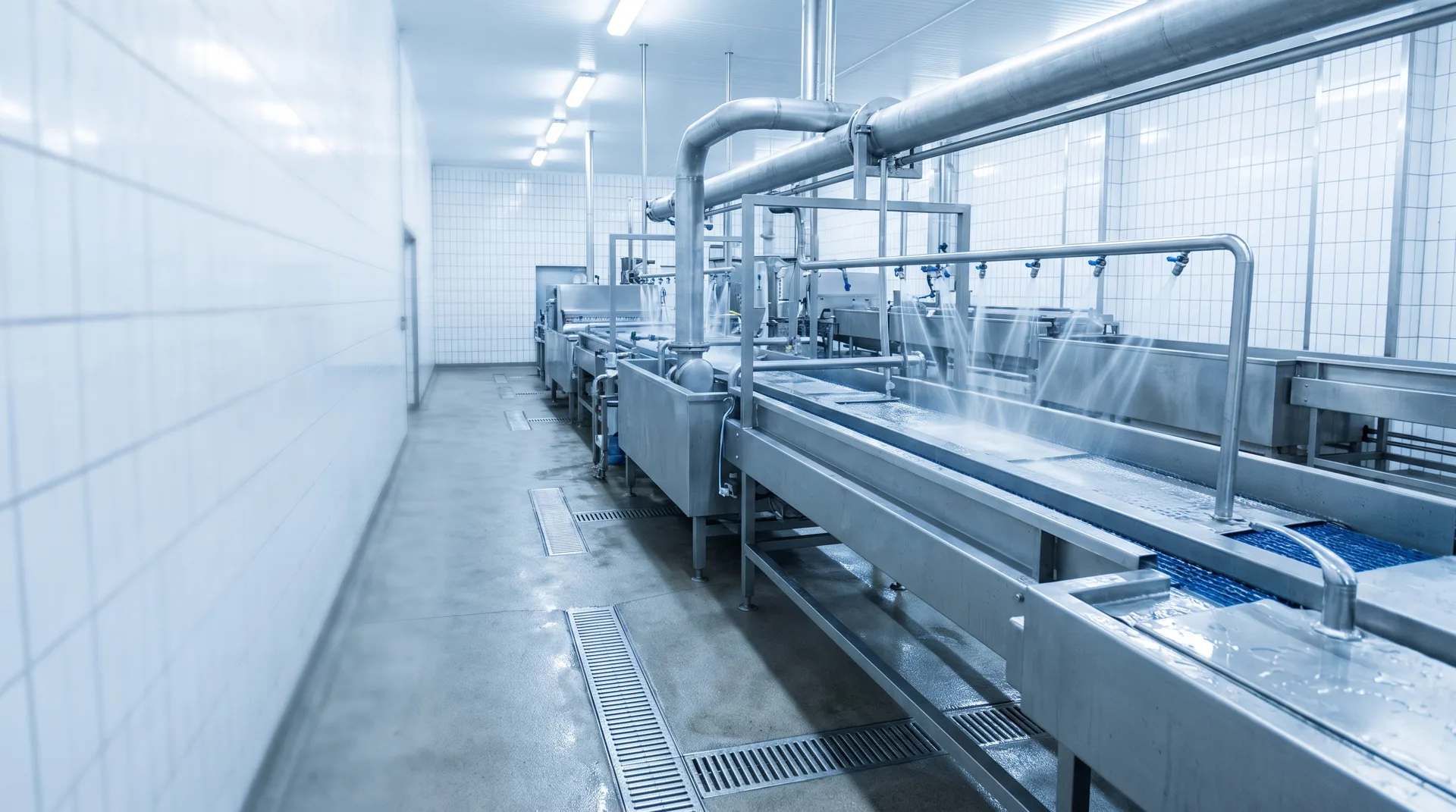
Industrial water treatment
Water treatment for food processing
Water has to meet more than the regulations — it has to suit your process. ZIKO designs the system around your plant.
- In-house laboratorywater analysis and testing
- 1,760+ completed projectsZIKO experience since 1993
- Up to 5-year warrantyon solutions and equipment, under the contract terms
- Service across Ukrainetechnical support and field service crews
Problems
When water quality becomes a production problem
Water quality drives the product, the process, equipment condition and compliance.
Who needs water treatment in food processing
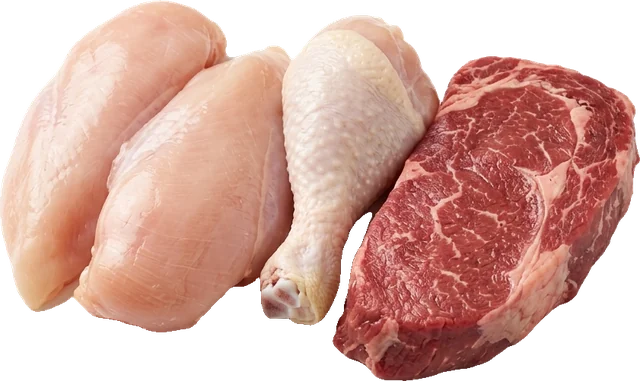
Meat and poultry processing
Slaughtering, washing, chilling, sanitation. Product safety depends directly on the water.
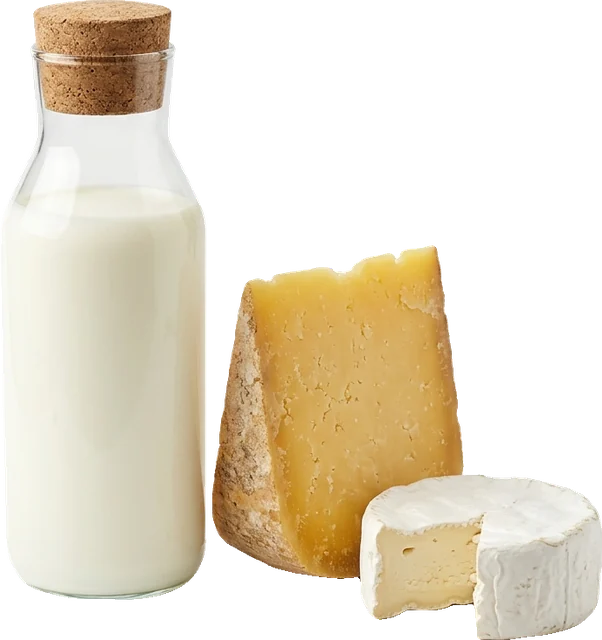
Dairy processing and cheese making
Water goes into the product, washing and CIP. Its composition drives product quality and equipment performance.
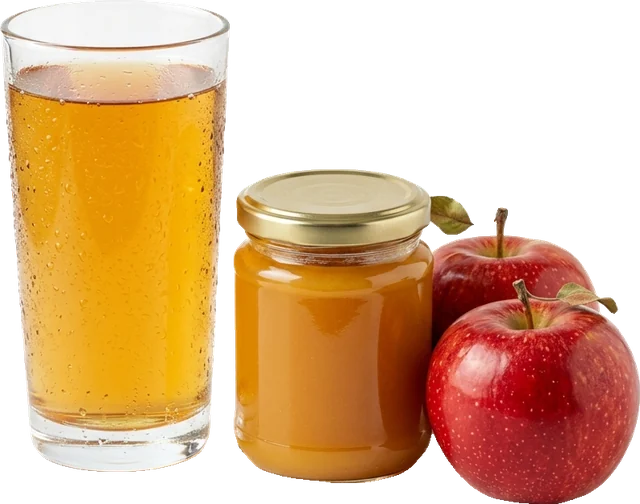
Juice, puree and beverage production
Water is an ingredient. Steam generators and heat exchangers have separate requirements.
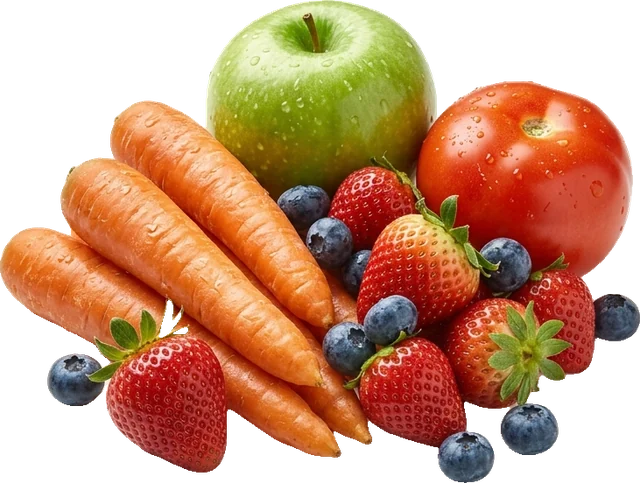
Vegetable, fruit and berry processing
Raw material washing and sanitation. Microbiological and physicochemical parameters are critical.
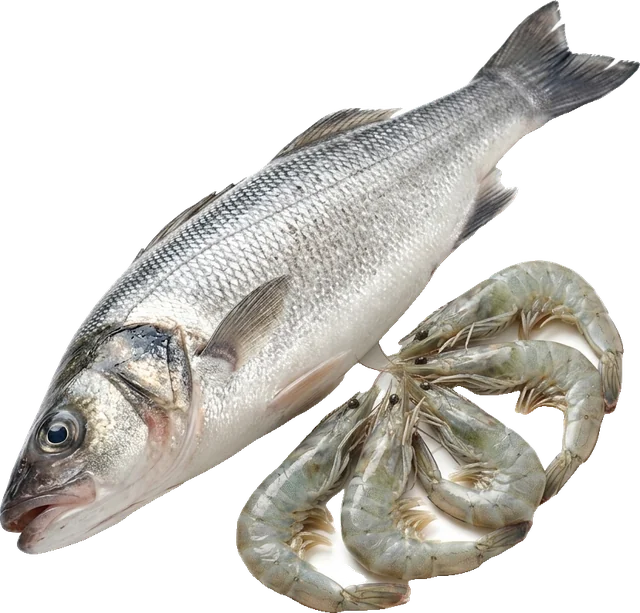
Fish and seafood processing
Washing raw material and equipment, chilling. Product safety and plant hygiene depend directly on the water.
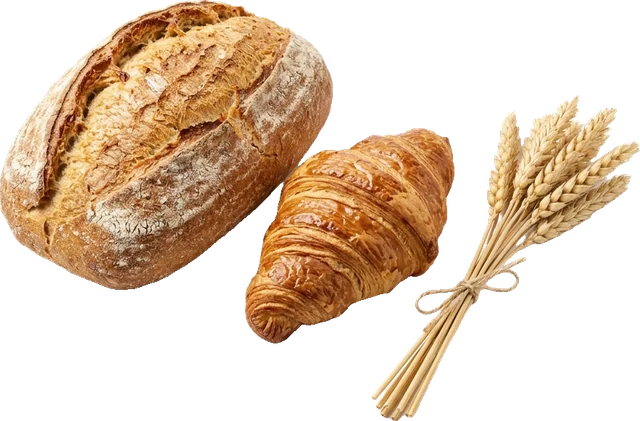
Grain processing, bakery and confectionery
Water is both an ingredient and a process medium. Its composition drives product properties and equipment performance.
What poor water breaks
Microbiological parameters
Out-of-spec microbiology puts product safety, equipment hygiene and process stability at risk.
Iron, manganese, turbidity
Cause discoloration, sediment, off-flavors and deposits on equipment, and spoil the product’s taste, smell and look.
Hardness and mineralization
Cause scale and deposits, cut heat-exchange efficiency and disrupt steam and process equipment.
Chlorine, organic impurities, odor and taste
Can change the taste and smell of the water and the finished product and complicate the process.
Water requirements
Drinking water is not always process water
Every production has its own requirements. Water is no exception.
One water main — four different requirements
Here water is an ingredient, a cleaning agent and a heat carrier at once. Each use has different requirements, so we design the system around actual consumption, not the industry label.
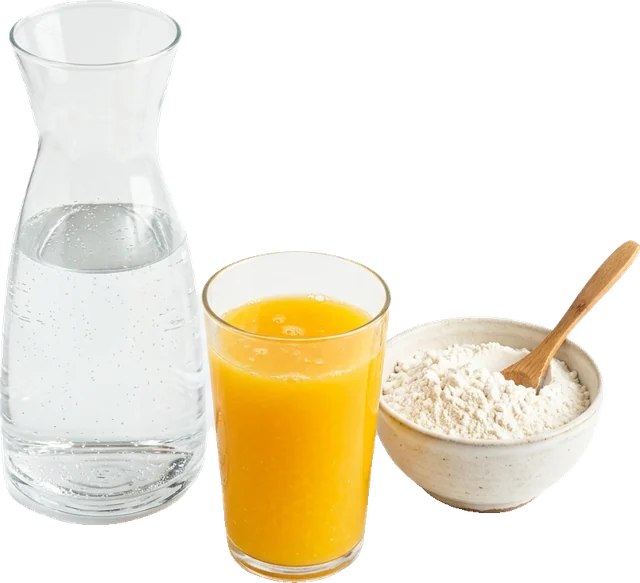 Into the productrecipes, dough mixing, diluting concentrates
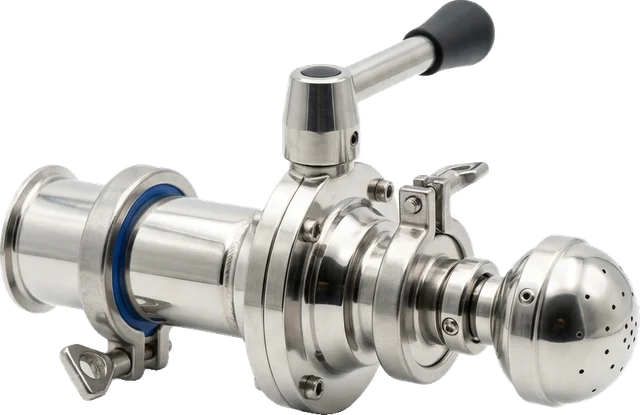 CIP washingcleaning equipment and pipelines between batches
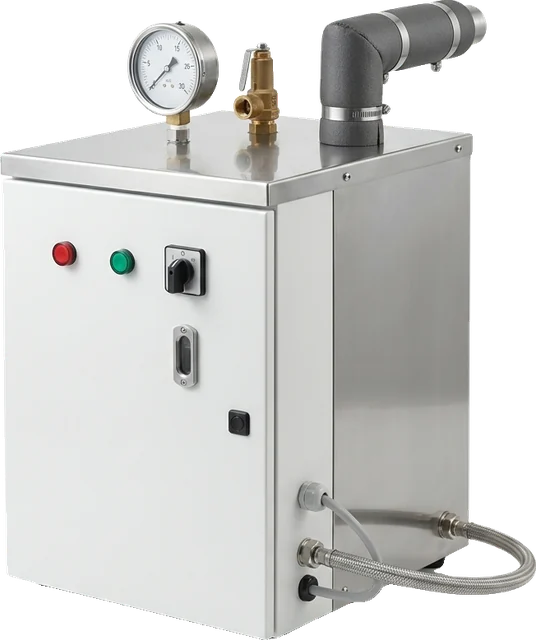 Steam and boiler houseboilers, steam generators and heat exchangers
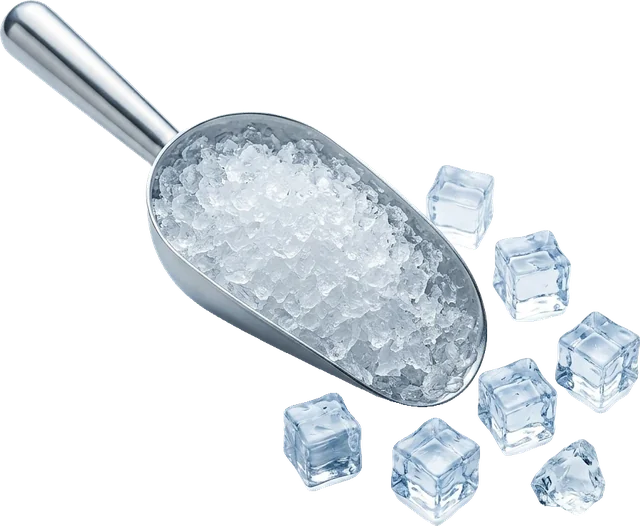 Product chillingchilling, ice, ice water
“We have drinking water from the mains” — and it still needs treatment
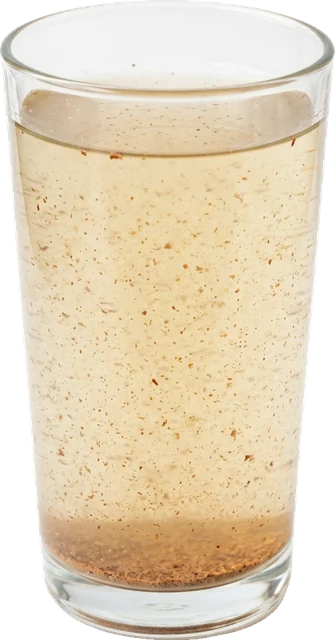
Water “as is”
- Residual chlorine within the drinking-water limit — and an off-flavor in the product.
- Hardness within the drinking-water limit — and scale in CIP washing and the steam generator.
- Iron from the well causes color, taste and rust stains on equipment.
- Water composition can change — but the process needs consistent quality.
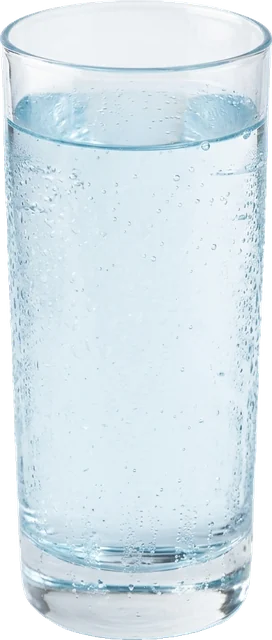
Water after treatment
- Parameters meet DSanPiN and the process specification, not just the drinking-water standard.
- Stable composition — reproducible recipes and predictable washing cycles.
- Less scale — less fuel and detergents, longer equipment life.
- Proven result: iron ≤ 0.2 mg/L at a poultry processing plant since 2018.
Water parameters that matter for production processes
| Parameter | Why it matters for production |
|---|---|
| Hardness | Affects scale formation and equipment reliability |
| Iron and manganese | Can affect color, sediment, product quality and equipment performance |
| Mineralization and salt composition | Important for recipes, production processes and equipment life |
| Residual chlorine | May be undesirable for certain production processes |
| Turbidity and suspended solids | Affect water quality and the performance of process equipment |
| Microbiological parameters | Critical for food safety and sanitation |
The parameters you need depend on how the water is used, the technology and the equipment. That is why ZIKO starts every system design with a water analysis and your plant’s process requirements.
How we work
From production requirements to a ready solution
No technical specification yet? That is fine. Here are the four stages we go through with you.
Stage 01 of 04
We study the task
We analyze the input data, your needs and the specifics of the site.
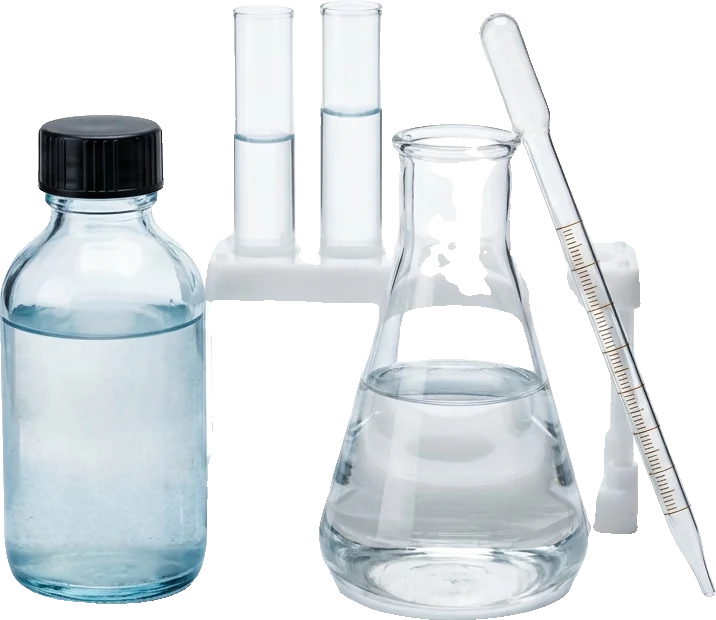
- Water analysisWe test the raw water and define what needs to change.
If needed, we test the water in our lab — so the solution for your site is backed by results.
Stage 02 of 04
We help draft the specification
We define the parameters the treated water must reach.
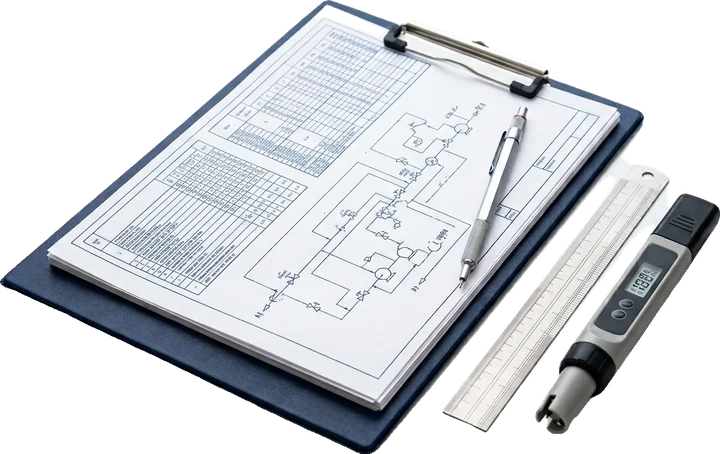
- Technical specificationWe collect the input data and system requirements: technology, water consumption, discharge.
Often all you know is
- the water source
- the water quality problems
- the production needs
- the required capacity
ZIKO specialists help to
- draft the technical specification
- define what the water must be like at the outlet
- take into account where and how it is used
Stage 03 of 04
We design the solution
We select the technology for your production.
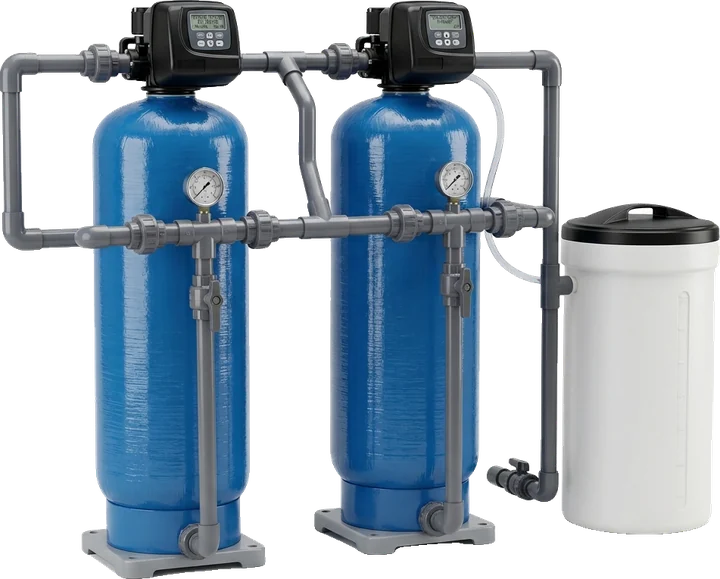
- DesignWe develop the engineering solution and project documentation for your site.
You do not have to choose the technology or the equipment yourself.
Stage 04 of 04
We deliver and support
Manufacturing, installation, commissioning and technical support.
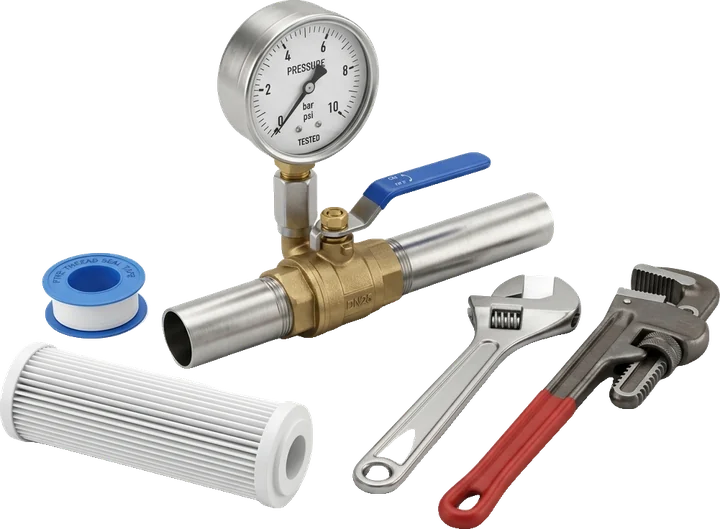
- SupplyWe source and deliver the equipment per the approved solution.
- InstallationWe integrate the system into the plant’s utilities.
- CommissioningWe check operating parameters and train your staff.
- ServiceWarranty and post-warranty maintenance, technical support.
Service for the system’s entire working life
We build the maintenance schedule around your technology, water, operating mode and actual load.
- Scheduled maintenance
- Diagnostics
- Monitoring of operating parameters
- Operating recommendations
From the technical specification to consistent water quality at your plant.
Completed projects
ZIKO experience in water treatment for food production
Four sites from different branches of the food industry.
Iron removal · 80 m³/h
equipment washing, poultry chilling
Industrial water treatment system — 80 m³/h
Task: consistently treated water for process needs.
ZIKO solution: an iron removal system matched to the raw water and the plant’s operating mode.
Result: iron at the outlet ≤ 0.2 mg/L. The system has been running since 2018 under ZIKO service.

Water treatment for a feed plant
The system was designed around the plant’s water quality requirements and usage pattern.
Result: stable water parameters, the system runs automatically.
Project details →-
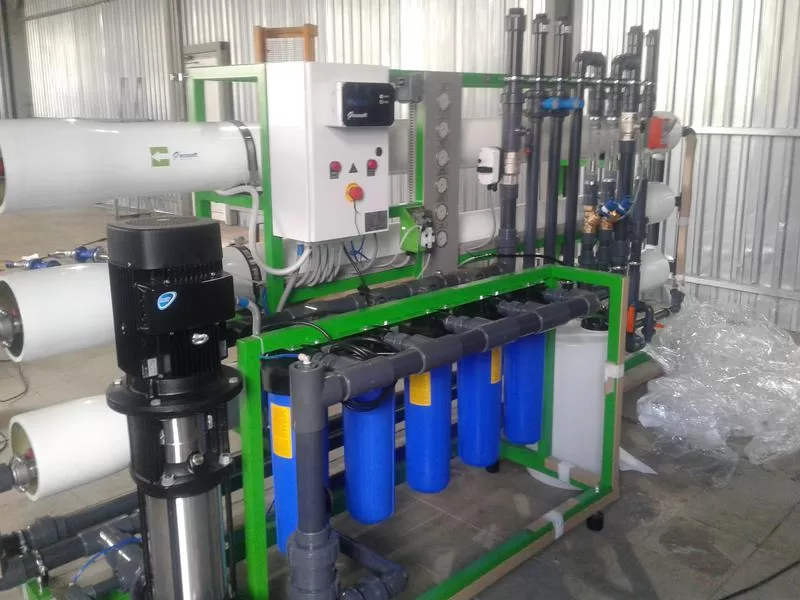
Water treatment system — 30 m³/h
- The system supplies the plant with water of stable, controlled quality.
- Result: stable operation and automatic water supply to production.
-
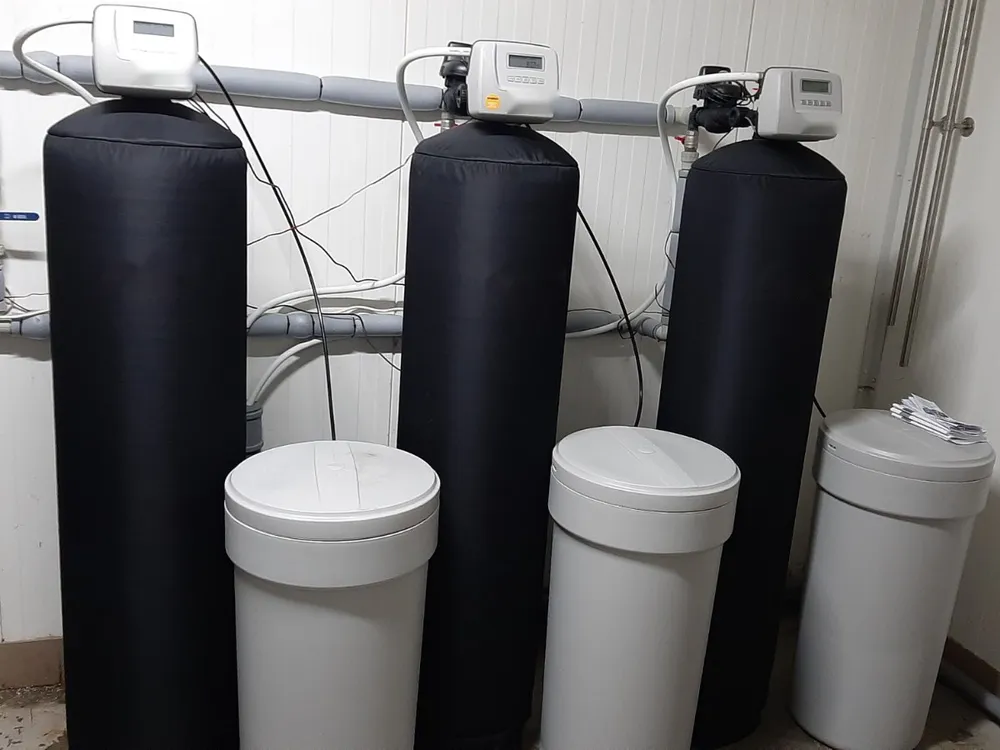
Water at ≈ 1 °C — treated without heating
- In cold water, chemical reactions slow down and standard filtration works worse. Heating large volumes is expensive.
- ZIKO engineers and chemists studied cold-water filtration and designed a scheme without heating: 130 µm mechanical filtration, a multi-purpose unit, UV disinfection.
- Result: identical units on 6 farms across 4 districts of the Volyn region.
ZIKO’s experience covers meat and poultry processing, the dairy industry, juice and beverage production, feed and other food production.
Have a water treatment task?Send us your water analysis and briefly describe your production — a ZIKO engineer will propose a solution. Consultation and preliminary estimate are free.
Discuss your task with an engineerCost
How much it costs
The price depends on the water composition, capacity and treated water requirements — so we calculate it individually.
What drives the figure
- Raw water composition from an extended analysis
- Capacity and operating mode of the plant
- Treated water requirements per the process specification
- Where the wastewater goes and the discharge limits at the site
Two schemes compared for an 800 m³/day site
- The difference in investment pays back in 2 years
- Cost of treated water — about UAH 0.02 per liter
FAQ
What to know before ordering a water treatment system
Didn’t find your answer? Describe your task or send a water analysis — a ZIKO engineer will suggest the next steps.
How much does a water treatment system cost?
The price depends on the site’s input data, the required capacity and the treated water requirements. Once we have the data, we prepare a preliminary estimate. The consultation is free.
Where do I start if I don’t have a technical specification yet?
That is not a problem. ZIKO engineers will help you gather the input data, define the water requirements and draft a technical specification for your production.
Do I need extra treatment if the water is already of drinking quality?
Not always. Drinking water may not suit a specific process or piece of equipment. A raw water analysis and the production requirements show whether extra treatment is needed.
How does ZIKO choose a solution for difficult water?
Not just from the analysis. In ZIKO’s own lab we test your water on different filter media and see which treatment works on it. The solution is based on the test results.
Can an existing water treatment system be upgraded?
Yes. ZIKO engineers will assess how your system performs, what the plant needs now and whether it can be upgraded or expanded.
Does ZIKO take the plant’s actual water consumption into account?
Yes. We account for capacity, consumption patterns and peaks, how the production works and the treated water requirements.
Does ZIKO provide service after the system is commissioned?
Yes: warranty and post-warranty maintenance, scheduled service and technical support for the system’s entire working life.
Get an engineer’s consultation
Tell us about your production and water source — an engineer will tell you where to start. If you have a recent water analysis, attach it: the estimate will be more accurate.
Or call: +38 095 93 21 273
Where to go next
Technologies in the solution
- Combined treatment (MIX)
- Mechanical water filtration
- Water softening
- Ultrafiltration (UF)
- Iron and manganese removal
- Reverse osmosis (RO)
- Odor removal and sorption treatment
- Water disinfection
- Chemical dosing
Related industries
- Distilleries and spirits production
- Breweries
- Water and soft drink bottling