
Реконструкція та модернізація очисних споруд
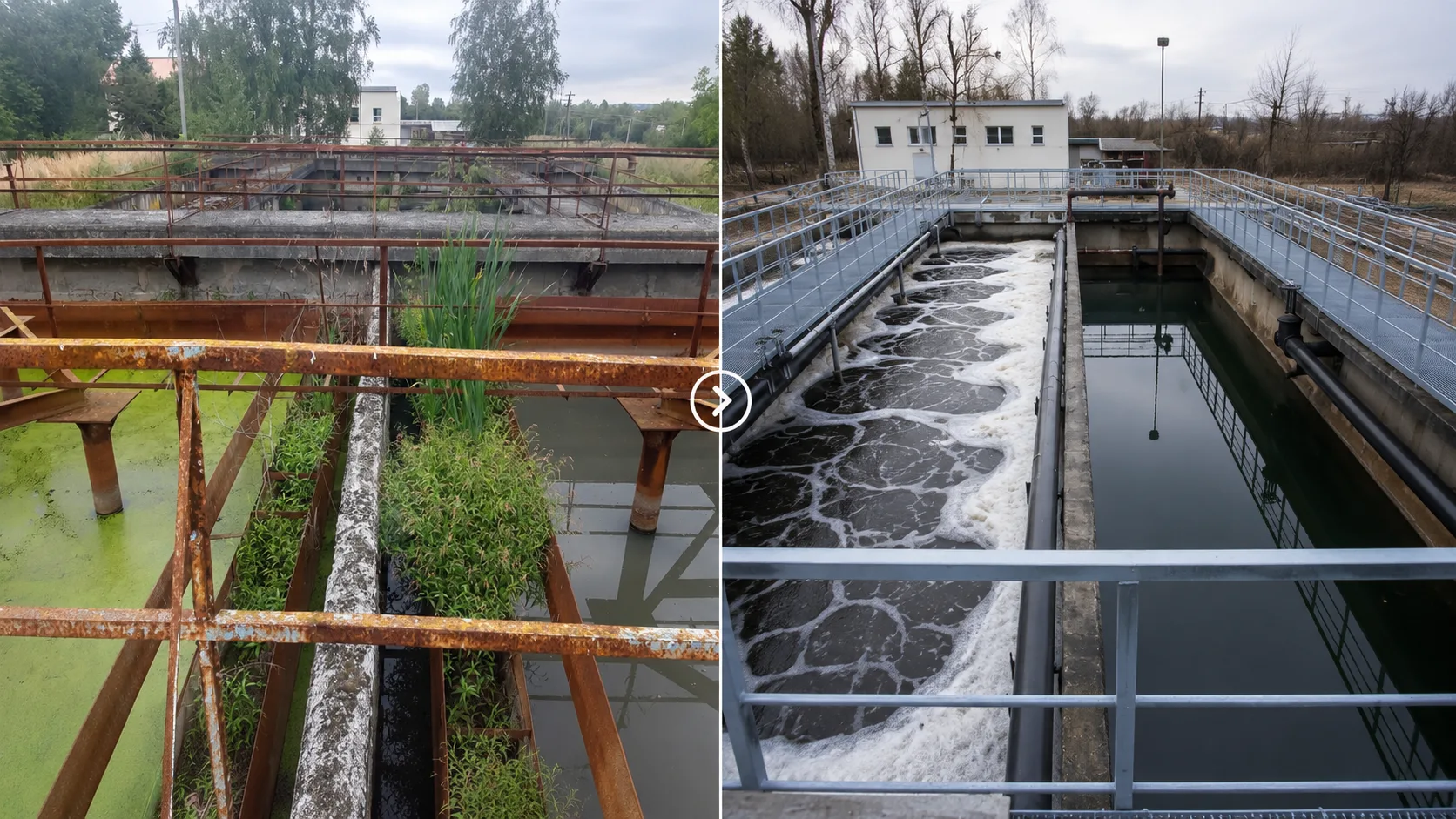
Wastewater treatment · Reconstruction of treatment plants
Reconstruction and modernization of wastewater treatment plants
Old treatment plants no longer meet the standard, consume too much energy, or can’t handle the volume of wastewater? We modernize them by integrating modern rotating biodiscs into existing facilities — without building from scratch. Reuse of concrete tanks, −80% energy, reaching the required discharge standard, and rollout in phases within budget.
When reconstruction of treatment plants is needed
Worn-out Soviet-era treatment plants
Morally and physically outdated treatment plants of municipalities and utilities: the equipment has exhausted its service life, and the effluent does not meet the standard.
Industrial plants out of compliance
The old biological stage is inefficient: dissolved organics and nitrogen exceed the discharge limits.
Overloaded facilities
The volume of wastewater has grown (development, production growth), and the old plant can no longer handle the load.
Energy-intensive aeration stations
Powerful blowers mean huge electricity bills and noise. Rotating biodiscs remove this cost item.
Why build from scratch when you can modernize
Building “from scratch”
- Expensive and slow. New tanks and extensive civil works.
- Above-limit discharge. Worn-out equipment — fines and notices from the environmental inspectorate.
- Aeration consumes energy. Powerful blowers, high operating costs.
- Overload. The volume of wastewater has grown, but the old plant can’t keep up.
Modernization with biodiscs
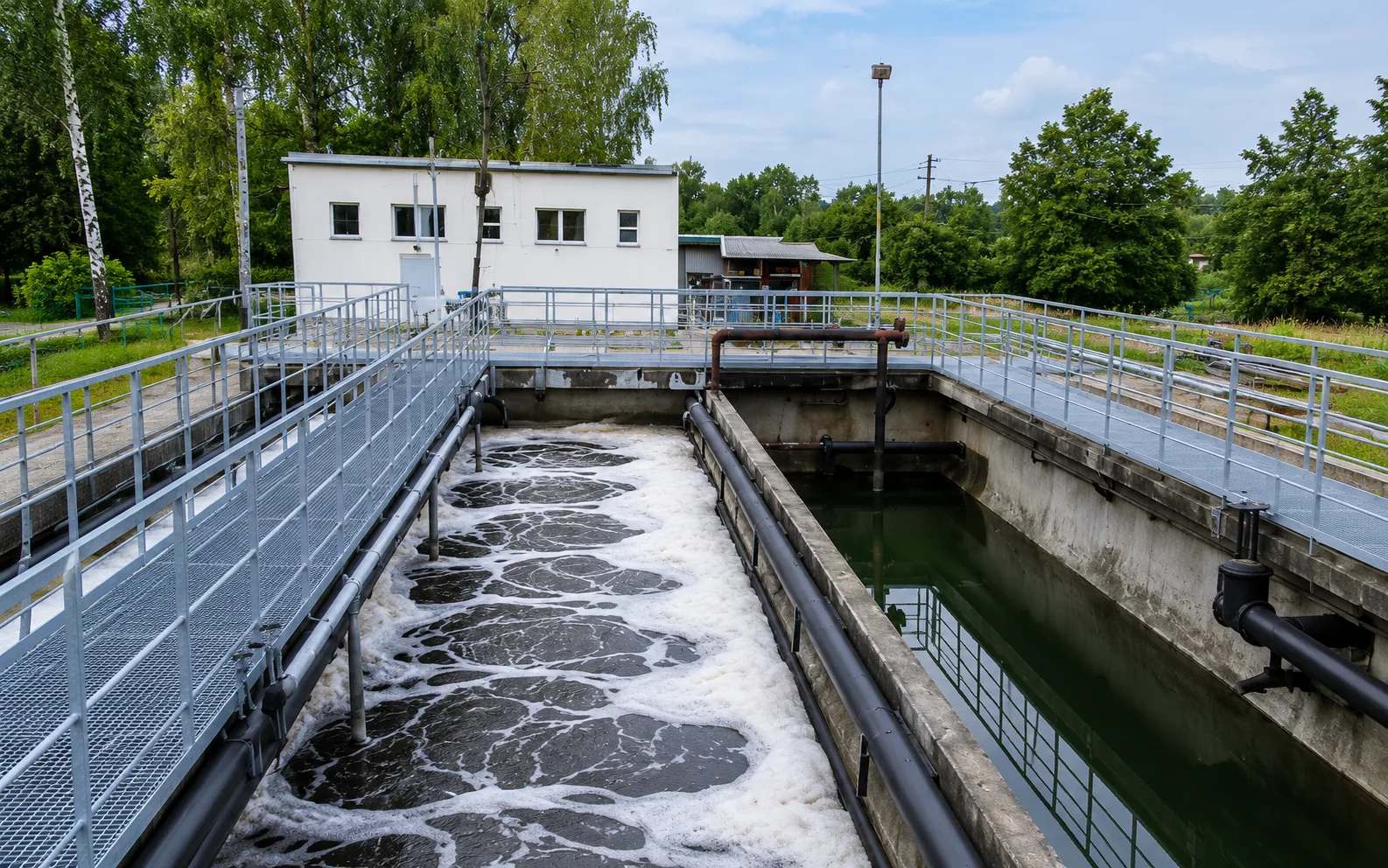
- Modern rotating biodiscs are integrated into existing concrete tanks — reuse of the civil works.
- PlanetTEK upgrades the biological stage up to 700 m³/day; for large scale — large MITA (Biorulli®) biodiscs up to 2000 m³/day.
- −80% energy, no odour, reaching the required standard; rollout in phases within budget.
Modernization without building from scratch
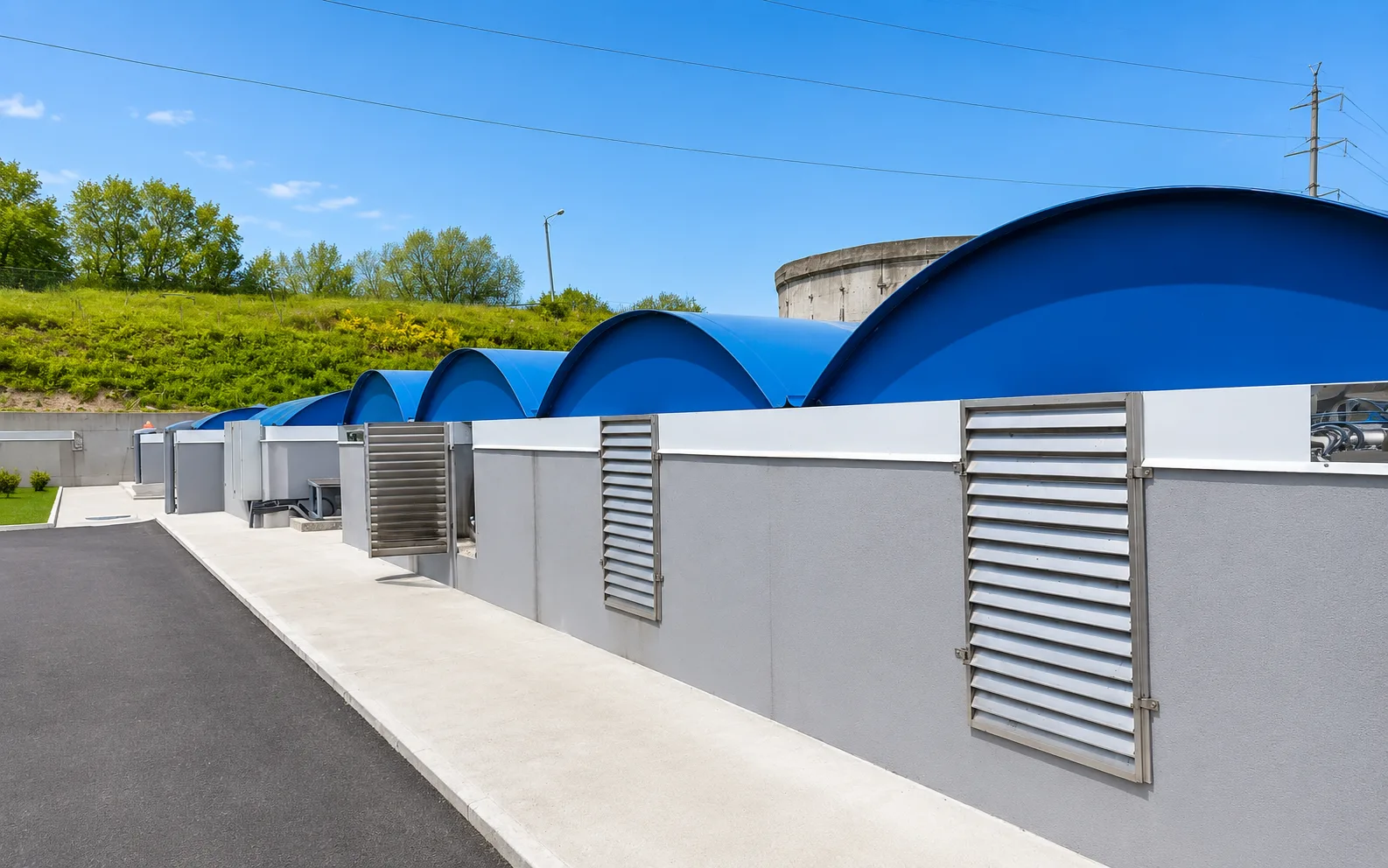
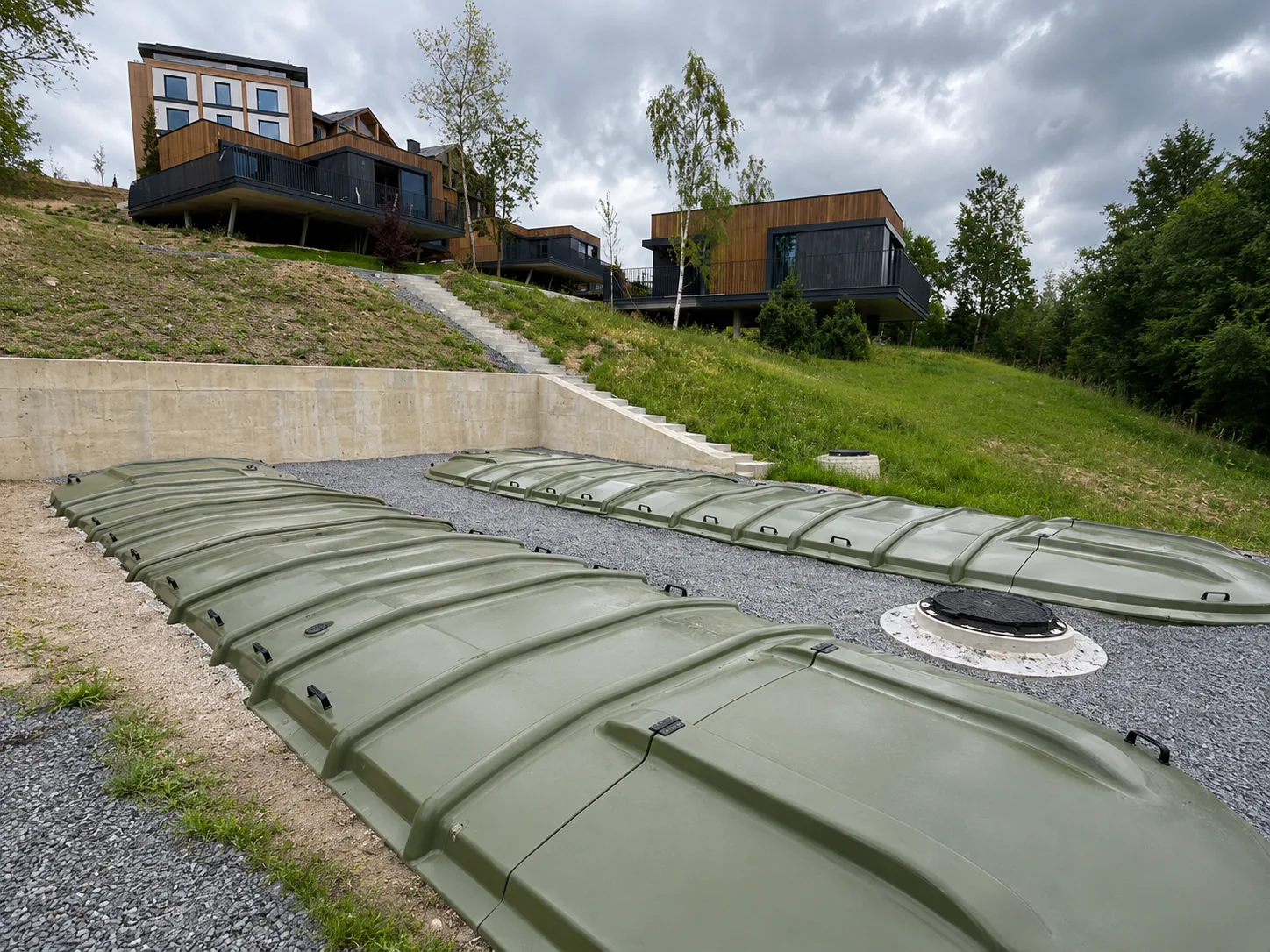
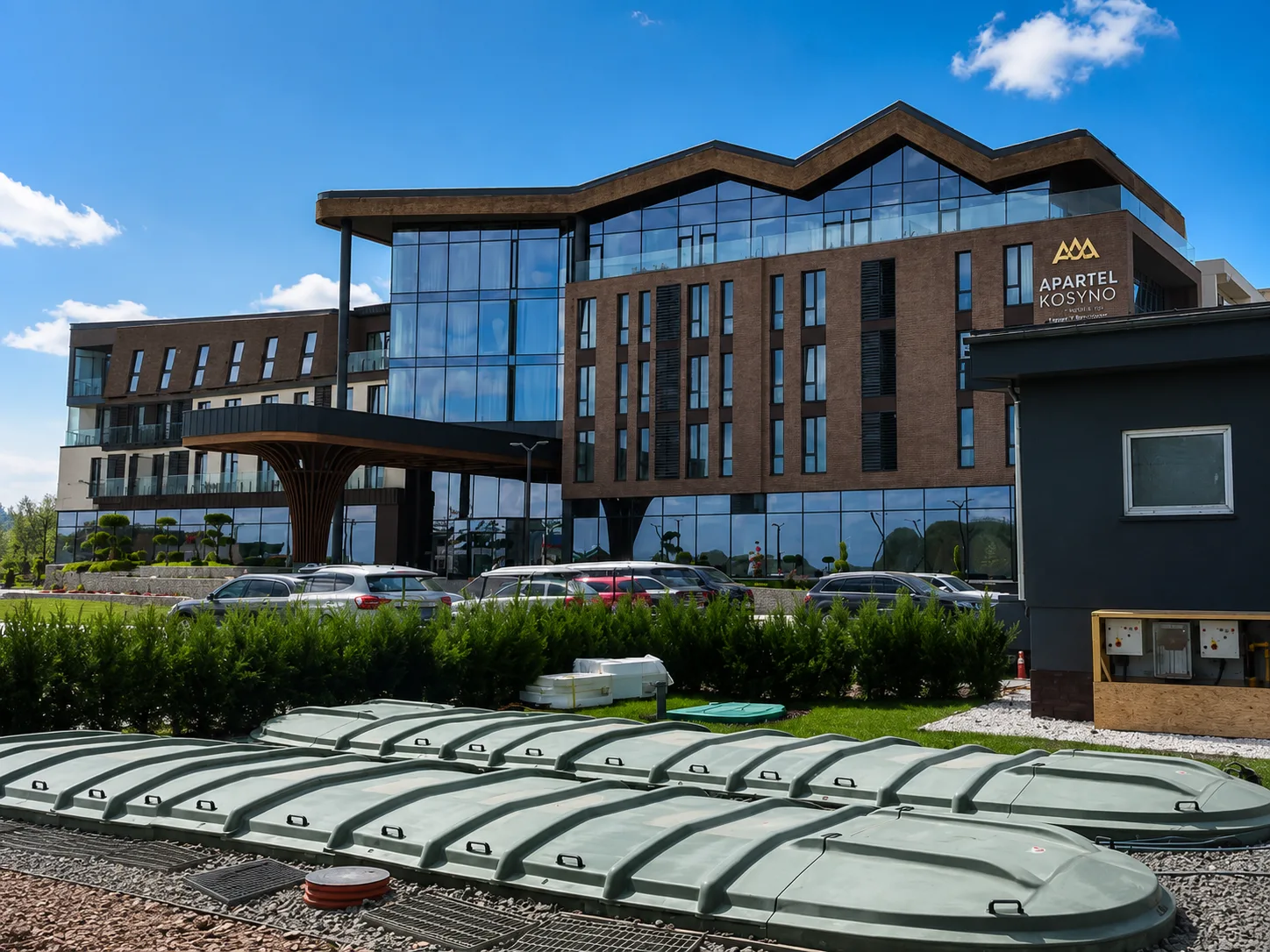
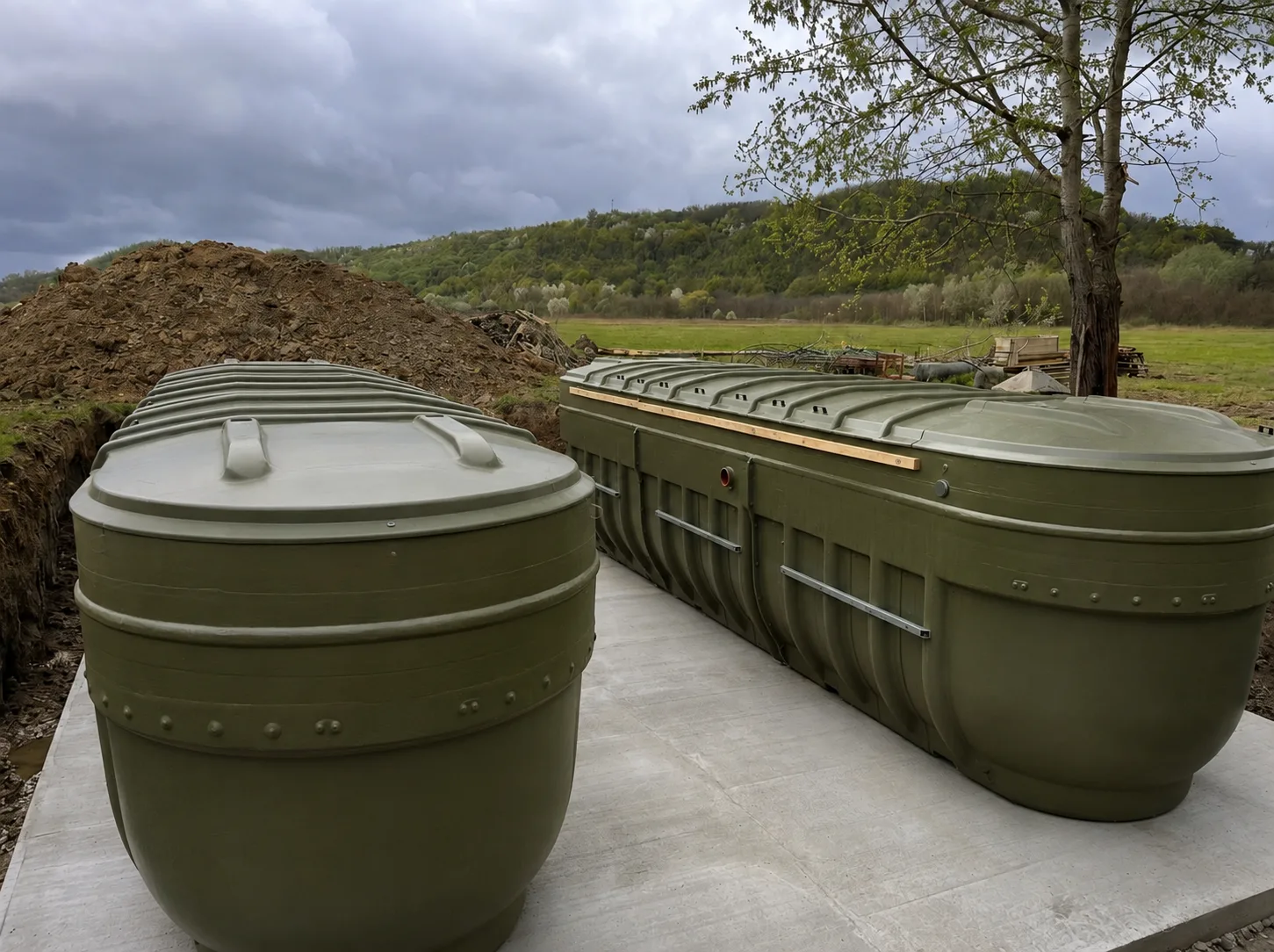
Instead of demolition and new construction — modern rotating biodiscs are integrated into existing facilities as an upgraded biological stage. Existing concrete tanks are reused, so civil works and timelines are saved. PlanetTEK upgrades plants up to 700 m³/day; for municipal scale, large MITA (Biorulli®) biodiscs are used up to 2000 m³/day; for small standalone sites — the BioDisc® monoblock.
| Task | Solution | Capacity |
|---|---|---|
| Replacement of a cesspit / small standalone site | BioDisc® monoblock | up to 60 (in parallel ~180) m³/day |
| Revamping of large-scale municipal treatment plants | MITA — large Biorulli® biodiscs | up to 2000 m³/day |
| Upgrade of the biological stage of existing treatment plants | PlanetTEK — PlanetDISK® (RBC) into existing tanks | up to 700 m³/day |
The exact solution is determined by the condition of the existing facilities and the volume of wastewater — a ZIKO engineer assesses it free of charge. More: PlanetTEK · MITA · BioDisc®.
From auditing the old plant to reaching the standard
Audit of existing facilities
Condition of the concrete tanks, volume and composition of the effluent, current discharge standard, bottlenecks.
Modernization design
What we reuse and what we upgrade: rotating biodiscs as the biological stage in the existing facilities.
Installation into existing facilities
Integrating the biodiscs, where possible without fully stopping the plant’s operation.
Start-up and reaching the standard
Commissioning, bringing the biology to operating mode, confirming the discharge quality.
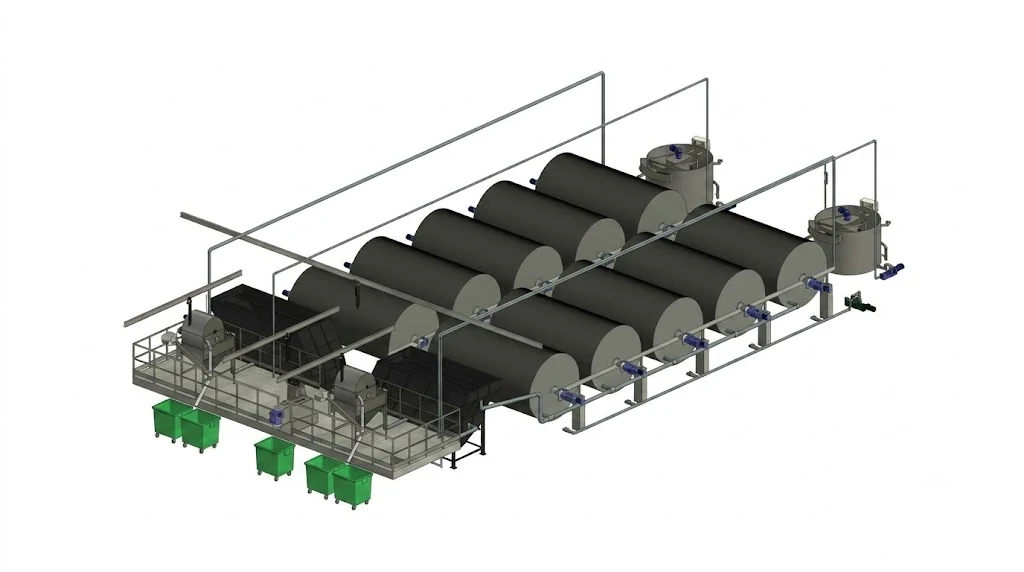
The scope of reconstruction is determined by the condition of the existing facilities and the discharge standards.
What modernization delivers
Reuse of existing facilities
We use the concrete tanks, saving on the civil works.
Faster than new construction
Smaller scope of work, shorter timelines.
−80% energy
Rotating biodiscs instead of powerful blowers.
Higher capacity
The upgraded biological stage handles the increased volume of wastewater.
No odour or noise
An aerobic process without discharge of contaminated air.
In phases within budget
Rollout step by step, without a one-off capital outlay for everything at once.
What modernization delivers instead of new construction
| Criterion | Building from scratch | Modernization (biodiscs in existing facilities) |
|---|---|---|
| Civil works | new tanks, extensive | reuse of existing facilities |
| Timelines | long | shorter |
| Energy use | depends on the technology | −80% with rotating biodiscs |
| Operation during the works | usually a shutdown | where possible, without a full shutdown |
| Financing | large one-off capital | in phases within budget |
Whether modernization suits your specific facilities is determined by an audit of the condition of the tanks and equipment. A ZIKO engineer assesses it free of charge.
From audit to an upgraded plant
Audit of existing treatment plants
Condition of the facilities and equipment, volume and composition of the effluent, current standard, discharge point.
Selection and modernization design
A solution for the reconstruction (PlanetTEK / MITA / BioDisc®), a phased plan, a technical and commercial proposal.
Design
For the existing facilities and discharge standards; documentation for tender procedures (for municipalities — ProZorro).
Supply and installation
Integration into the existing facilities, commissioning.
Frequently asked questions
Can it be modernized without full demolition?
Yes — this is the main scenario: modern biodiscs are integrated into existing concrete tanks as an upgraded biological stage, without building from scratch.
What exactly is reused from the old plant?
First of all, the civil works — the concrete tanks and structures. Worn-out equipment (blowers, the outdated biological stage) is replaced with rotating biodiscs.
How much cheaper is it than new construction?
The savings are mainly on the civil works and timelines; the exact figure depends on the condition of the existing facilities. An audit provides the assessment.
Can the plant keep operating during the works?
Where possible, modernization is carried out in phases to minimize or avoid a full shutdown; this is determined at the design stage.
Is this for municipalities or for industry?
For both: municipal treatment plants, as well as industrial plants with an old biological stage.
What scale does it cover?
Up to 700 m³/day with PlanetTEK and up to 2000 m³/day with large MITA biodiscs; small standalone sites — the BioDisc® monoblock.
To which standards?
To the actual requirements for discharge to the environment for the specific site; the configuration is matched to those standards.
We’ll assess the modernization of your treatment plant
Describe your existing treatment plant — the type, approximate wastewater volume, and what exactly is unsatisfactory (the standard, energy, overload). A ZIKO engineer will carry out an audit and propose a reconstruction solution based on rotating biodiscs, with a phased plan and a calculation.
Or call: +38 095 93 21 273